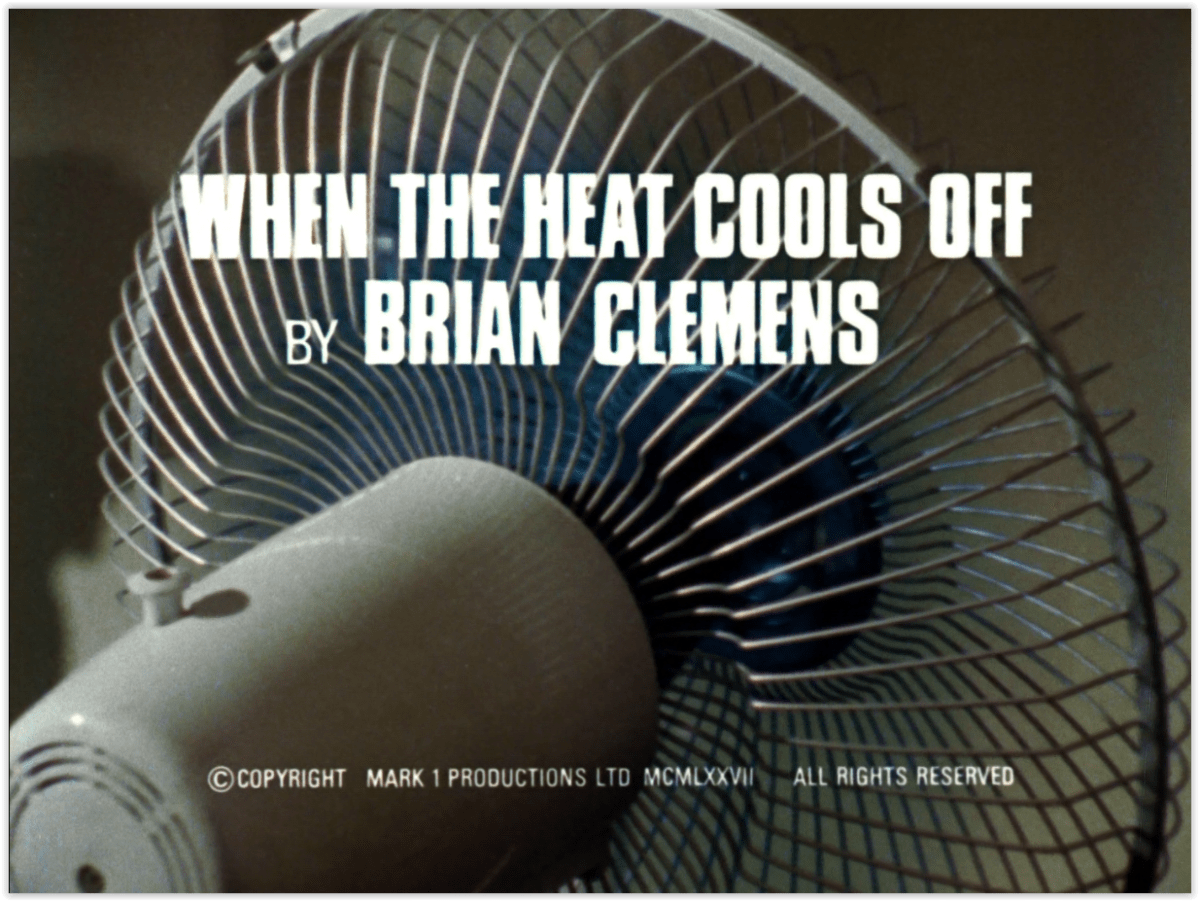
“I helped put away a man for a crime he didn’t do!”
The one where…
An old police case comes back to haunt Doyle, when the daughter of a man he put away for murder presents a case for her father’s innocence.

Most crime shows have done one of these from time to time – the episode where the hero has to struggle with the realisation that, perhaps, one of his previous collars was actually an innocent man who’s been rotting away in jail all this time. This time, it’s former copper Doyle who’s presented with enough doubt by the pretty daughter of an imprisoned crime lord to make him reopen an investigation he thought finished in 1971.
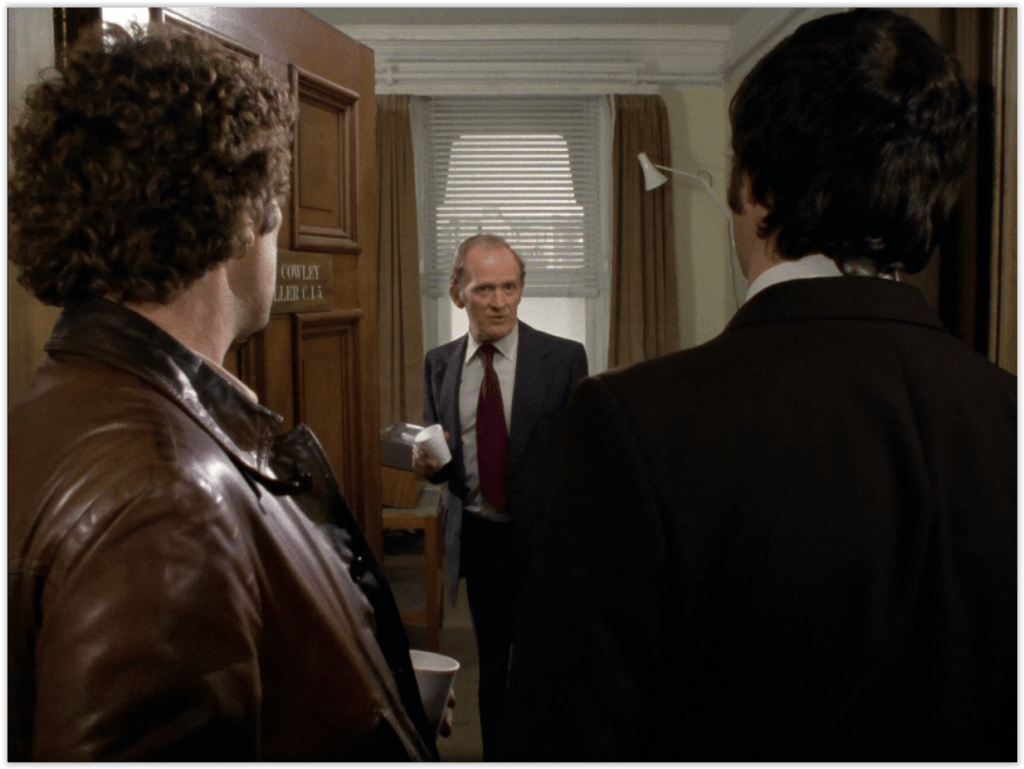
It’s not really within CI5’s remit (uniquely flexible though it is) to be investigating this sort of thing, but Brian Clemens’ script gets out of that with the handy excuse that Bodie and Doyle are on leave, so investigating in their own time. Still seems rather dodgy that they would have the authority to commit dozens of police officers to something they’re doing outside of CI5 business, though.
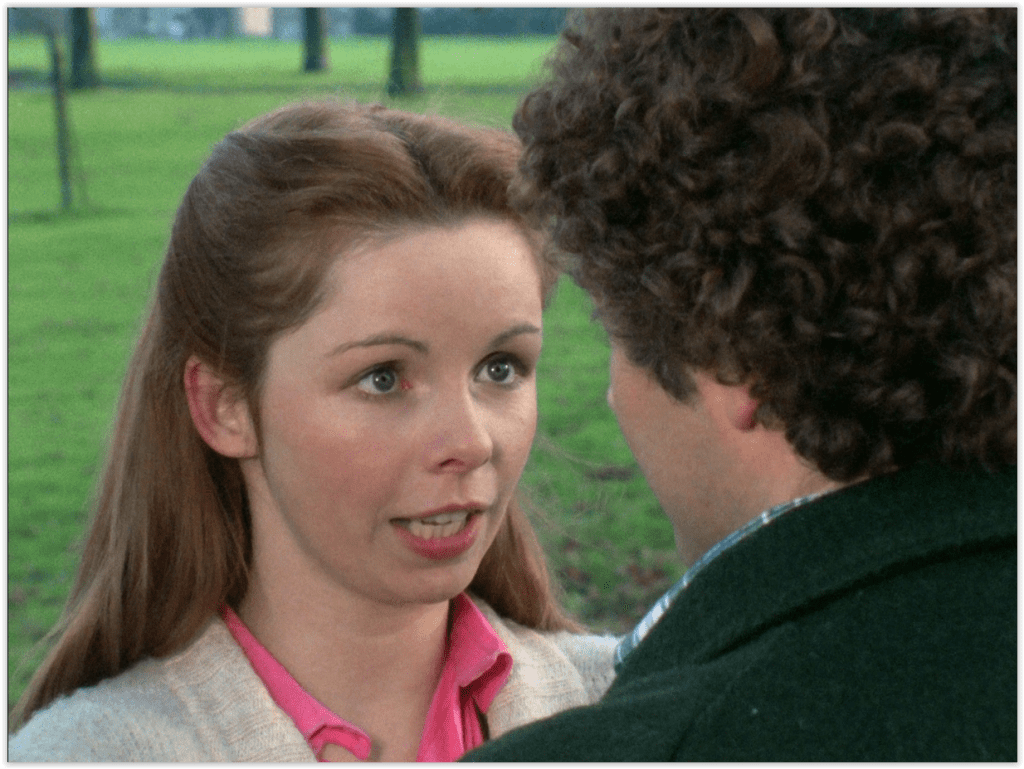
And it’s personal for Doyle in several ways. His venomous hatred of underworld kingpin Haydon goes back to the night Haydon seemingly murdered his partner Syd from the Met; which rather contradicts previous assertions that he was a copper somewhere in the West Midlands. It’s also personal that he forms the usual sort of bond with Haydon’s daughter Jill – it doesn’t take much longer than the ep’s halfway point for them to be snogging on his doorstep.
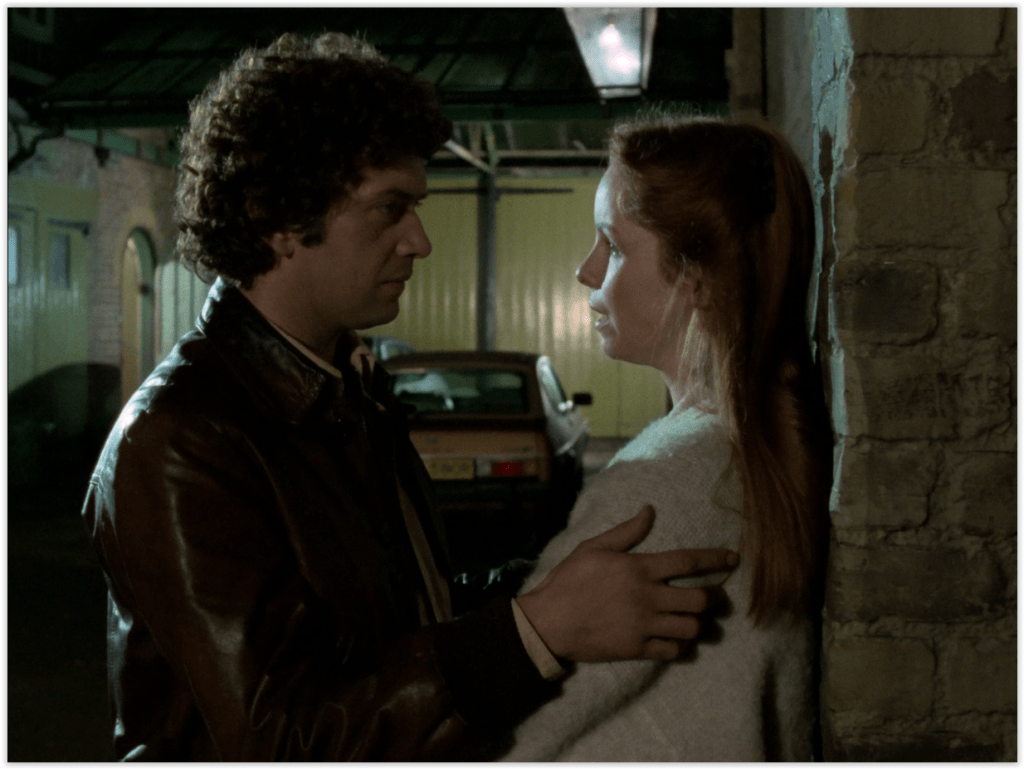
Jill seems to have an almost preternatural knowledge of how she insists things really went on the night of Syd’s murder (and there’s a reason for this), but it puts enough doubt in Doyle’s mind to convince him. The key factors are that the only other (now deceased) eyewitness who could identify Haydon seems to have a large Swiss bank account, and that the actual murder weapon, a .38 police special, was never actually found on Haydon. When the gun is actually found, in a river Haydon could have been nowhere near in his getaway, that seems to clinch the whole thing.
It’s a clever episode, with Bodie for once acting as the voice of reason to Doyle’s increasingly impassioned self-flagellation for getting the wrong man. Collins and Shaw have by now got the kind of effortless bromance chemistry that makes their pairing compulsive viewing. Cowley too is a rational voice, remaining even handed throughout, while Doyle increasingly falls under the spell of the persuasive Jill.
How dodgy is Cowley this week?
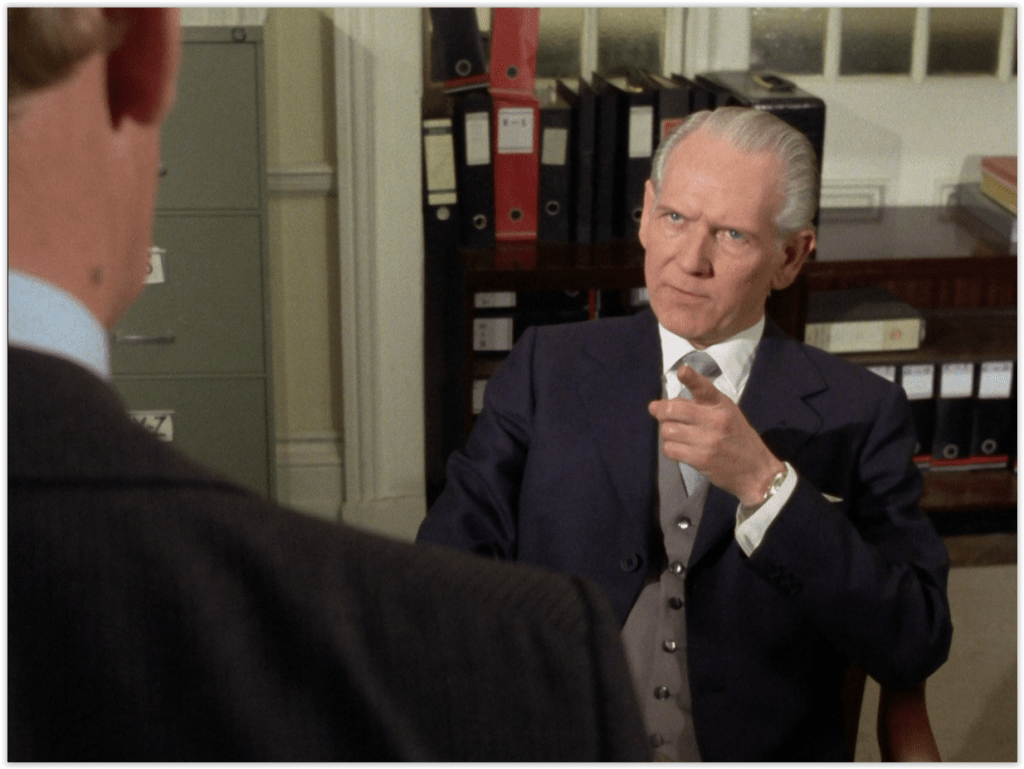
It’s definitely a bit off that he sanctions two of his agents to go off and investigate a police cold case in their spare time -something that for once draws the attention of his superiors as “the Minister” pops by to give him a ticking off and scrounge some of his famous “malt scotch” (it’s actually the rather good Glenfiddich). Cowley, of course, gets the better of him by being seemingly very reasonable.
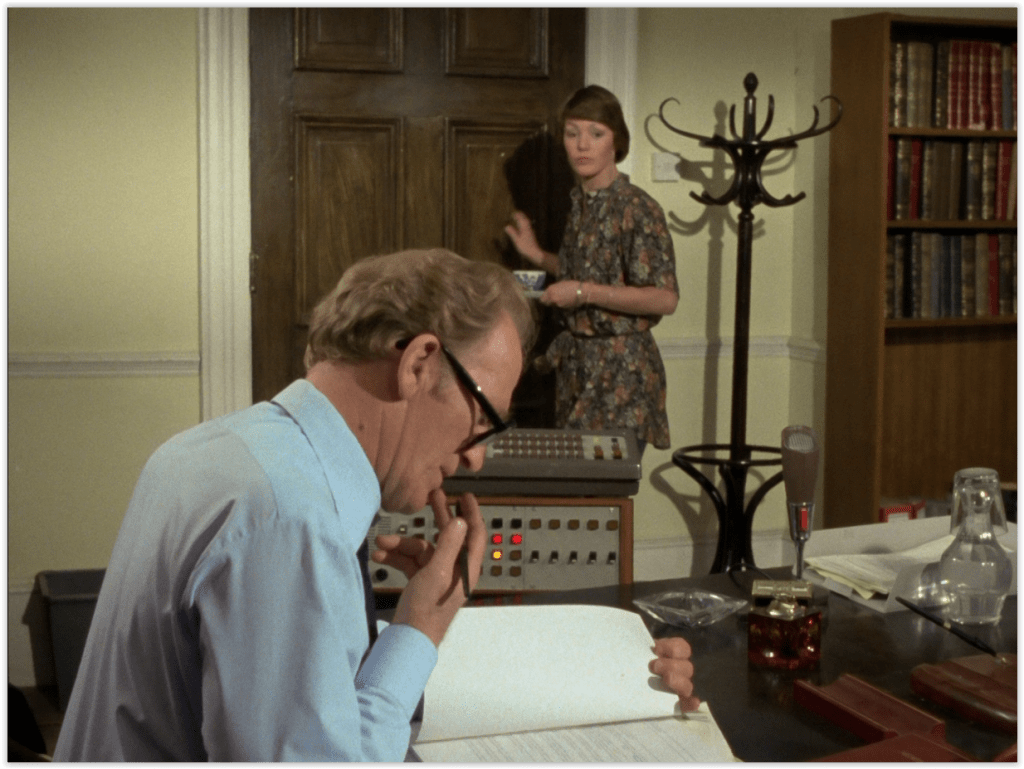
At least Betty is back, though her entire onscreen time this ep is wordlessly serving Cowley tea and biscuits. Makes you wonder why she couldn’t have been in the previous episode, where her temporary replacement at least got lines and things to do.
The cars
No car chases or stunts this week, but a few classics to be seen.
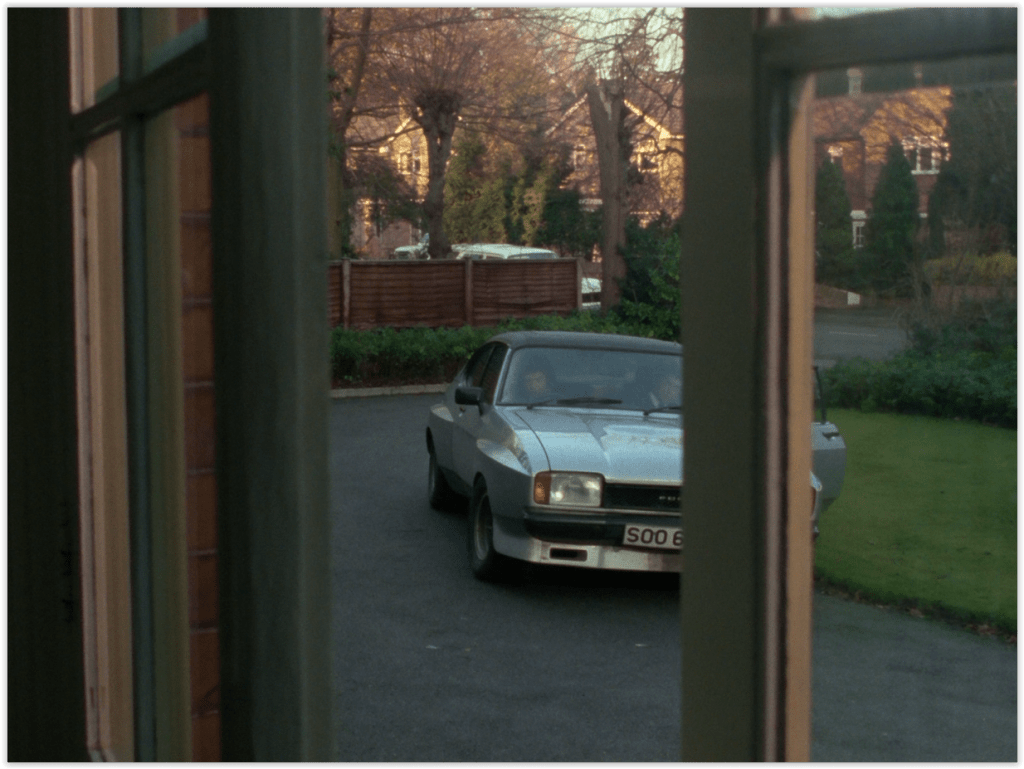
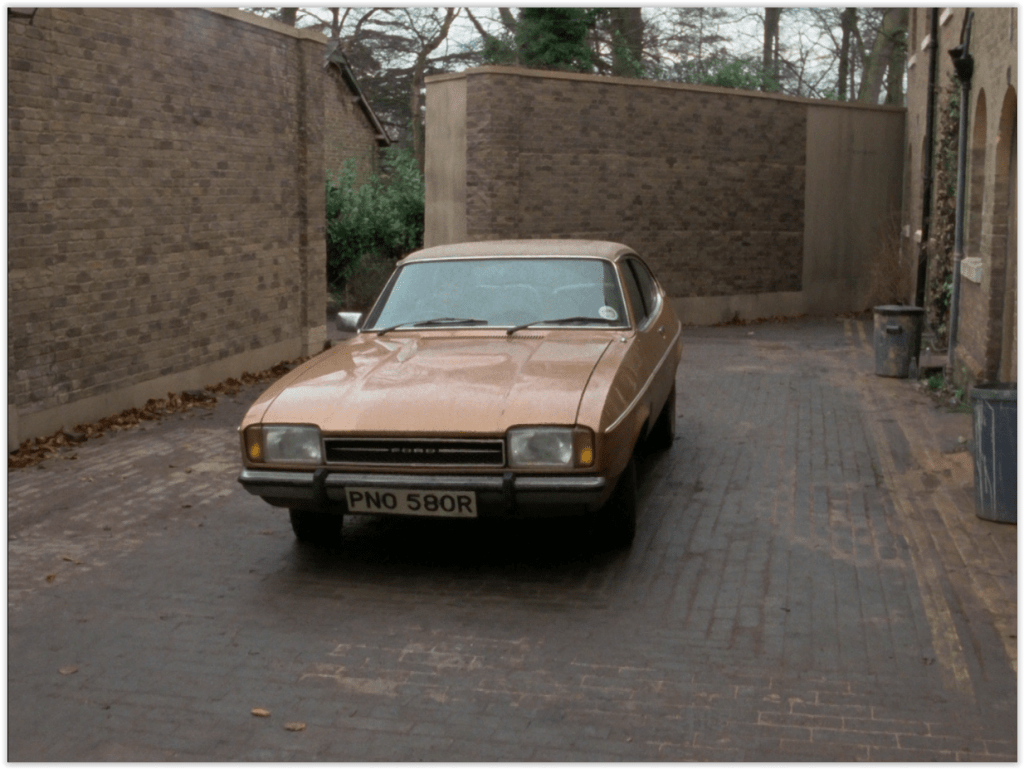
Both CI5 Capris are in evidence, parked outside Doyle’s flat; but both Doyle’s silver one with the flared wheel arches and Bodie’s bronze 3.0 Ghia just serve to get the boys from place to place.
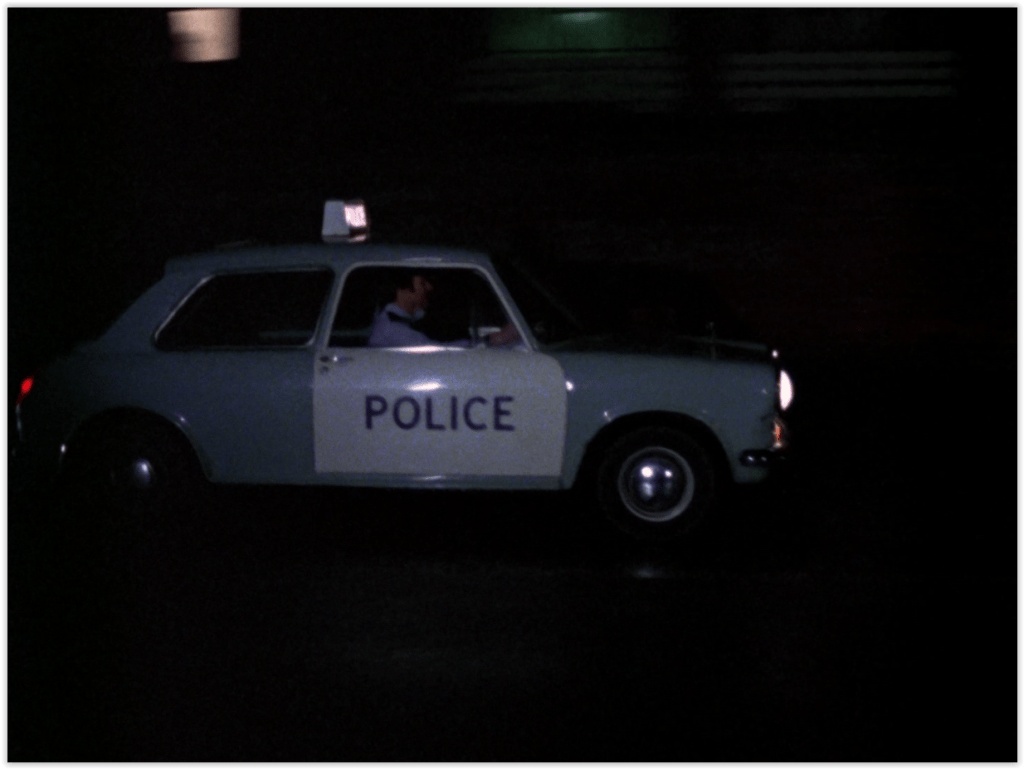
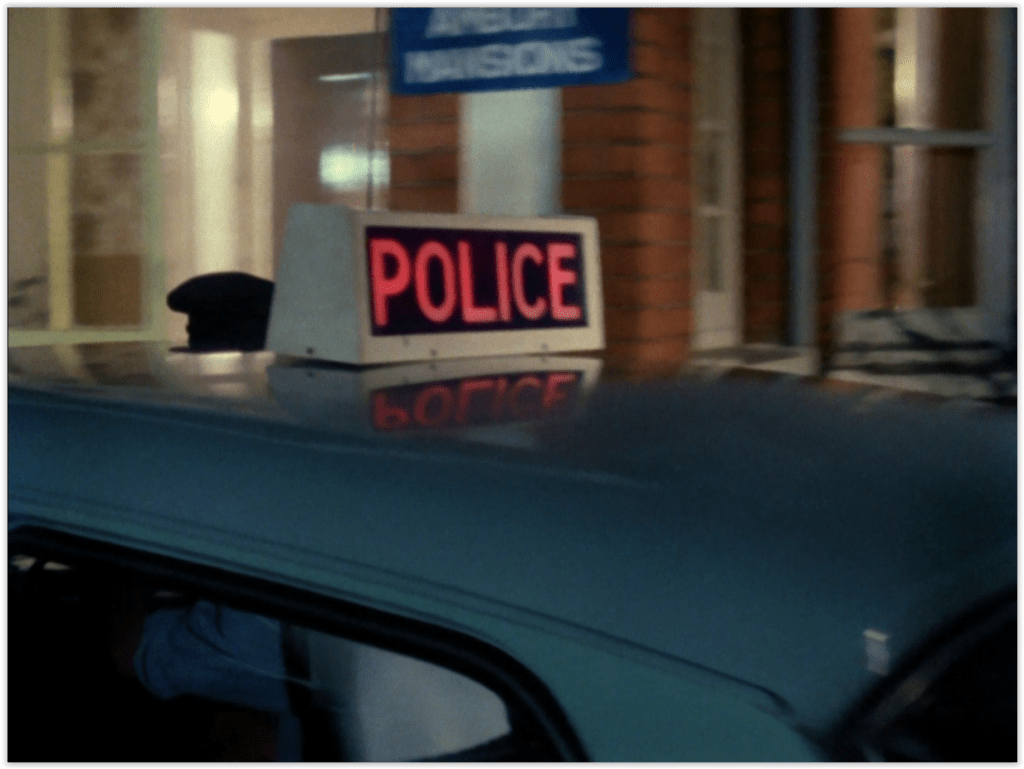
Earlier in the ep, we see Doyle’s panda car when he served in the Met – a two door Austin 1100. These unassuming little family saloons were one of BMC’s greatest sales successes in the 60s, and like the Morris Minor before them, were frequent workhorses for the police. Doyle noticeably leaves his cap on the car’s roof as he hares off after Haydon, but to be fair, that was probably the last thing on his mind at the time.
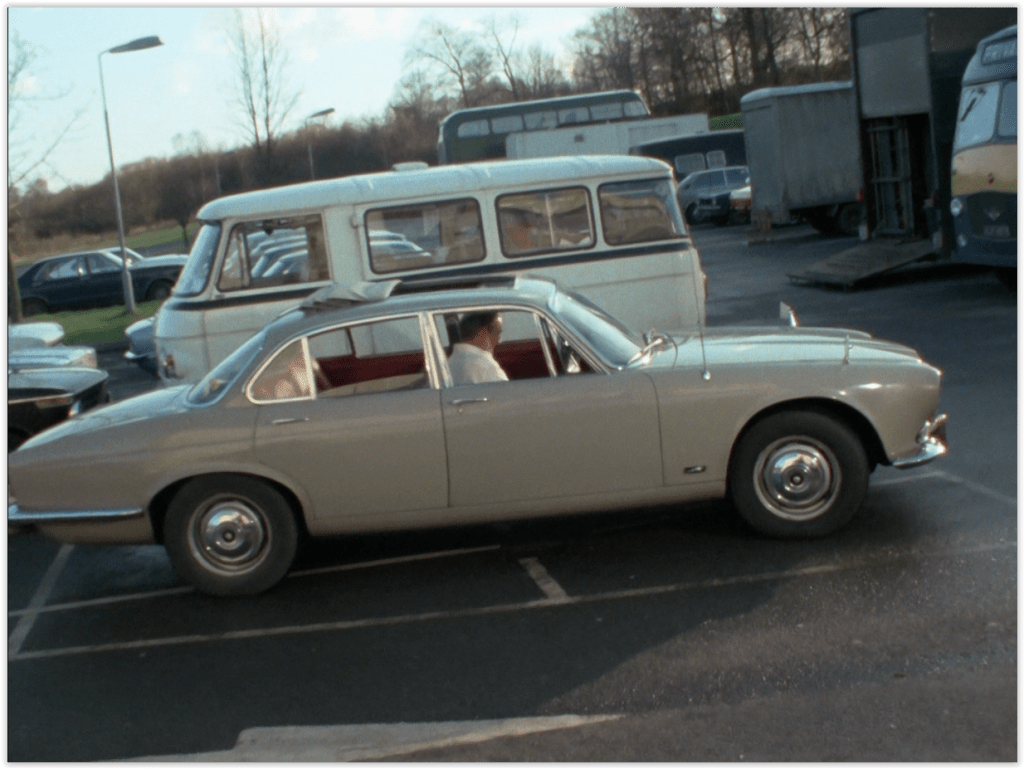
Haydon’s car is a 1971 Jaguar XJ6 series 1, with a big fabric sunroof.
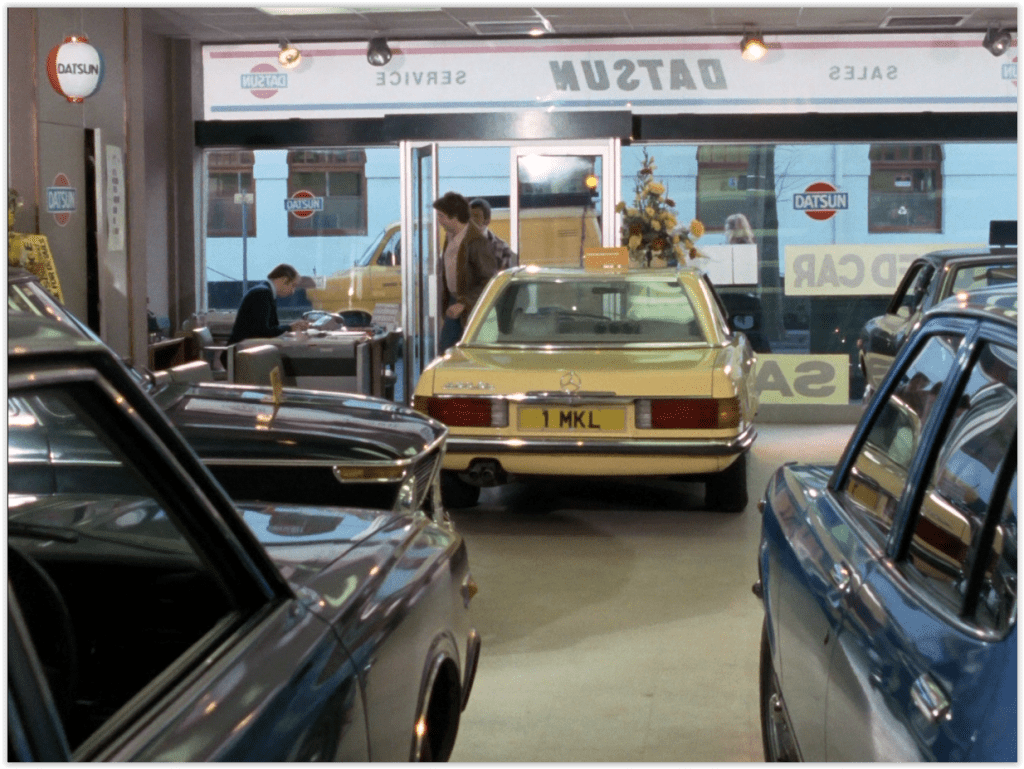
The Jag becomes a major plot point, so Bodie and Doyle track it down in a nearby Datsun dealer, which seems to have very few actual Datsuns in it. Datsun was, at the time, the name by which Nissan traded internationally, but this packed showroom is dominated by (presumably secondhand) cars like a BMW 1500 and a Mercedes SL – pretty high end cars.
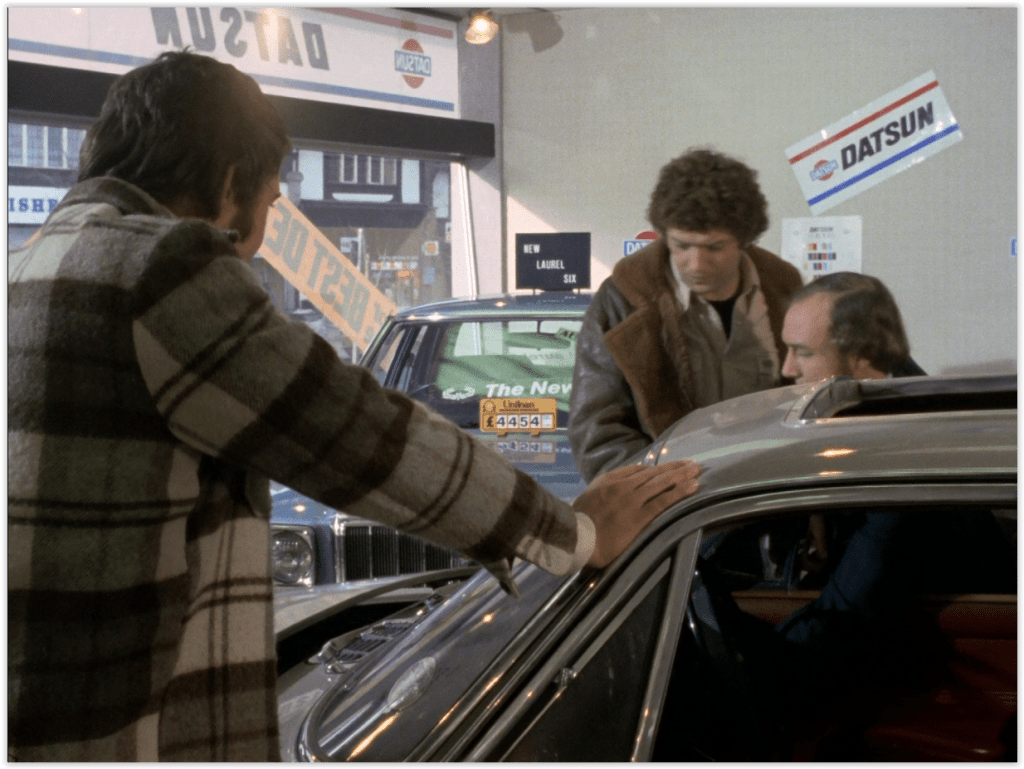
We do see a glimpse of a brand new Datsun Laurel MkIII, and with HD, it’s possible to see that it costs £4454 – not a bad price for a six cylinder executive car at the time.
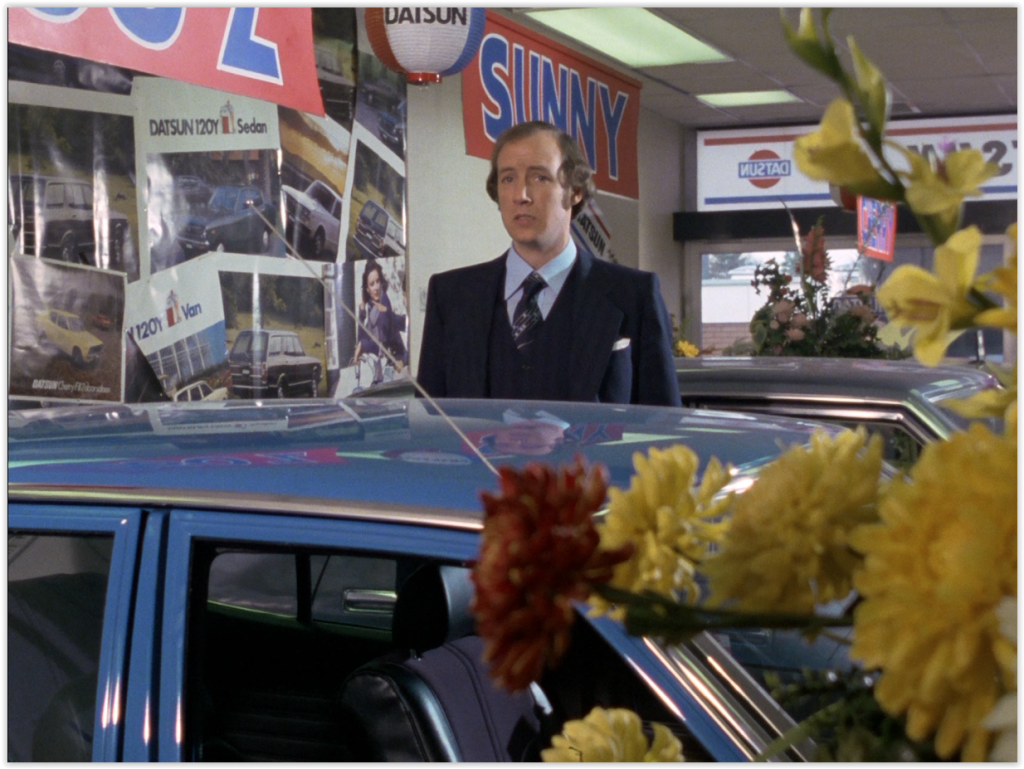
There’s also a glimpse of multiple posters advertising new Datsun models like the Sunny and the 120Y, which makes you wonder why the dealer doesn’t appear to have many of them.
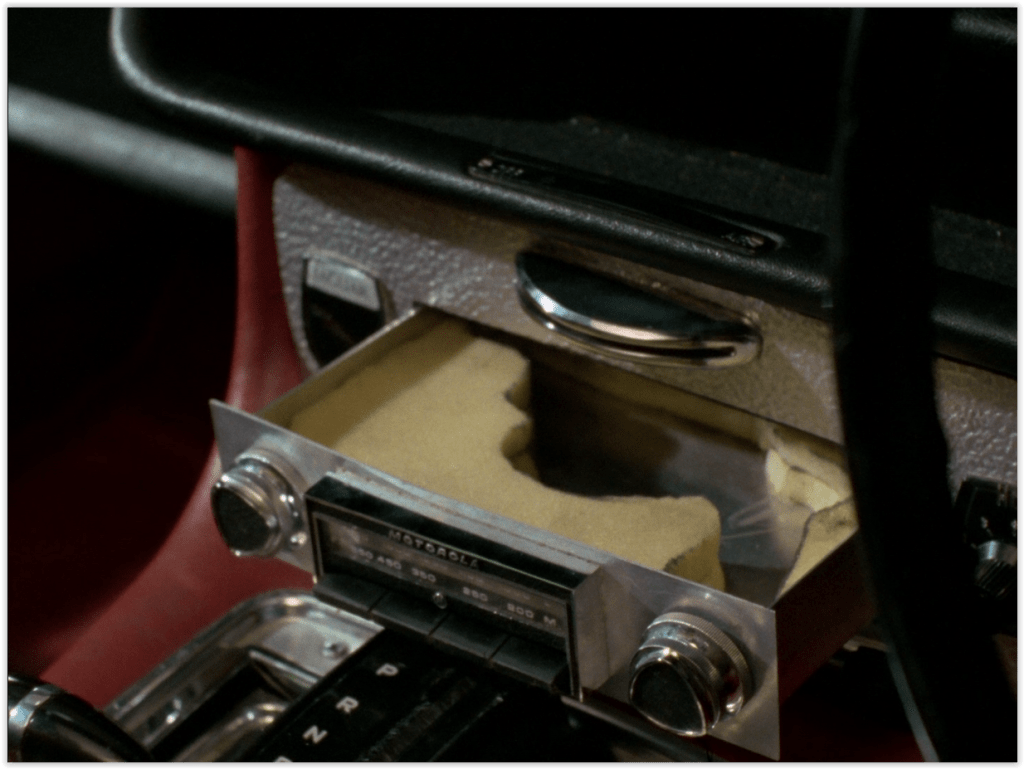
The Motorola radio hiding Haydon’s secret gun compartment is a nice touch, but one of a few ridiculous plot contrivances in the ep. Is it really credible that the car has, as stated, been through multiple owners in the past six years, and not one of them complained that the radio didn’t work?
1970s clothes
Back to the usual convention of the heroes changing clothes multiple times this week – well, the ep does take place over many days, so that’s fair. Even if most people didn’t have quite the collection of jackets that Bodie and Doyle do.
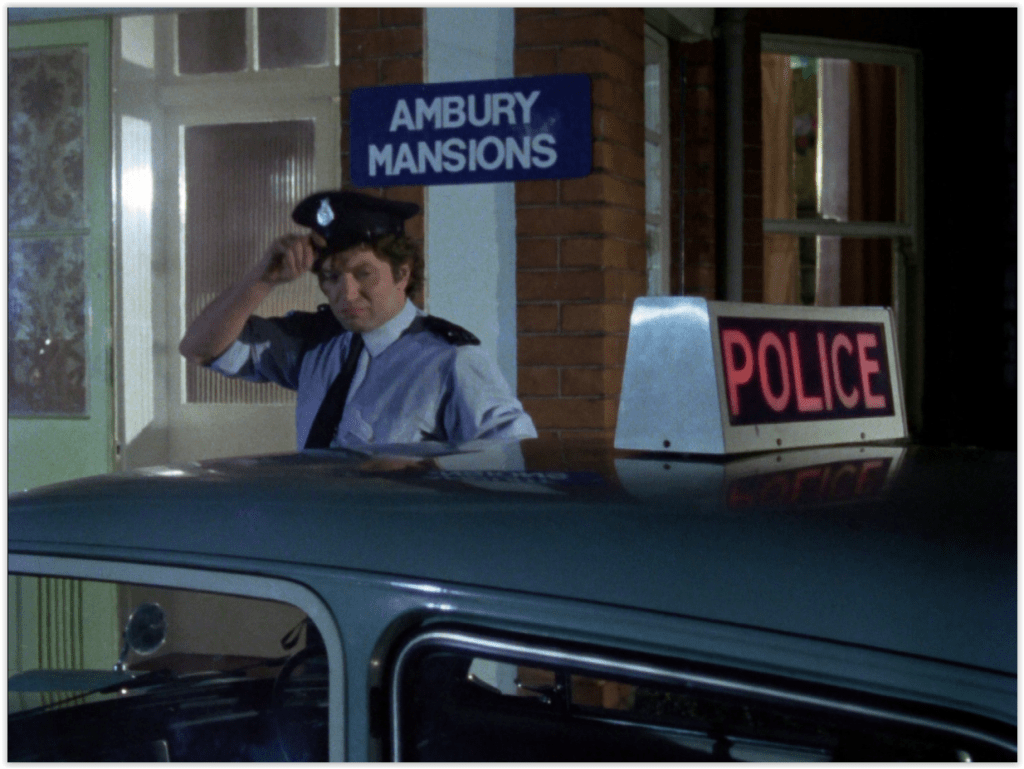
Perhaps the most surprising, by this stage, is seeing Doyle in a standard police uniform in the flashback that opens the ep. Which is a little weird, as the dialogue tells us this is just before he joined CI5, and he was a Detective Constable, who don’t usually wear uniforms.
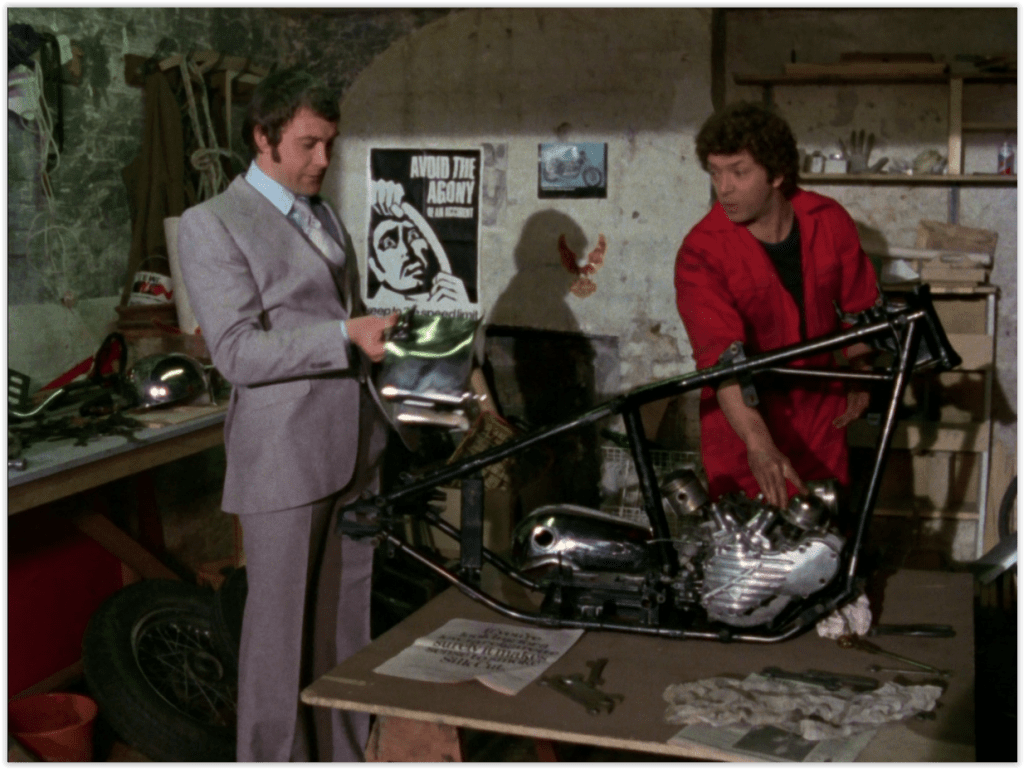
Bodie, as ever, is a snappy dresser from the outset, turning up at Doyle’s garage in a very 70s silver suit and tie, while Doyle himself is sensibly clad in a red boiler suit.
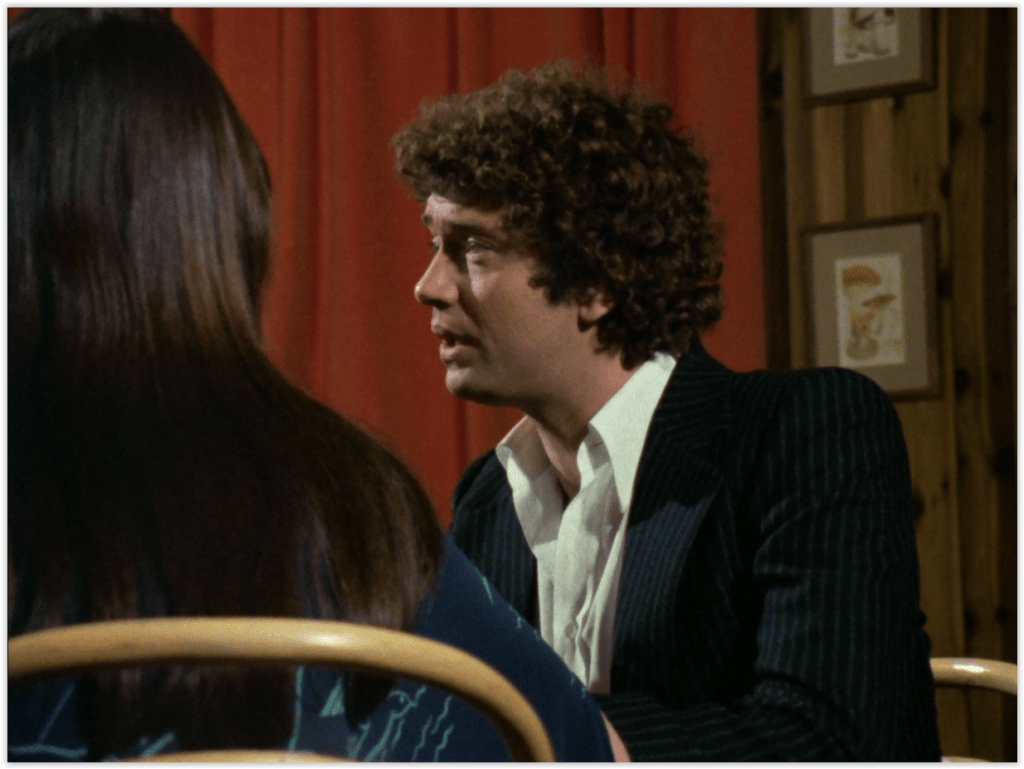
But Doyle too can dress up for a night out with the ladies, as we see him in a nice velvet pinstripe jacket at the restaurant. No tie, though – he doesn’t get that establishment.
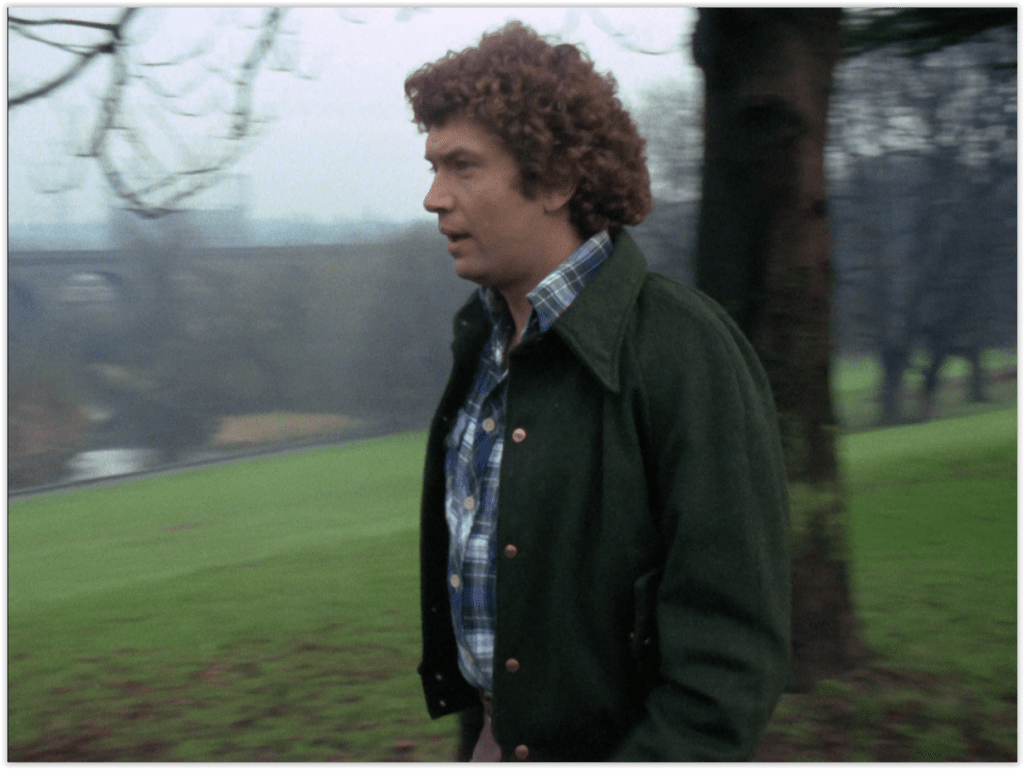
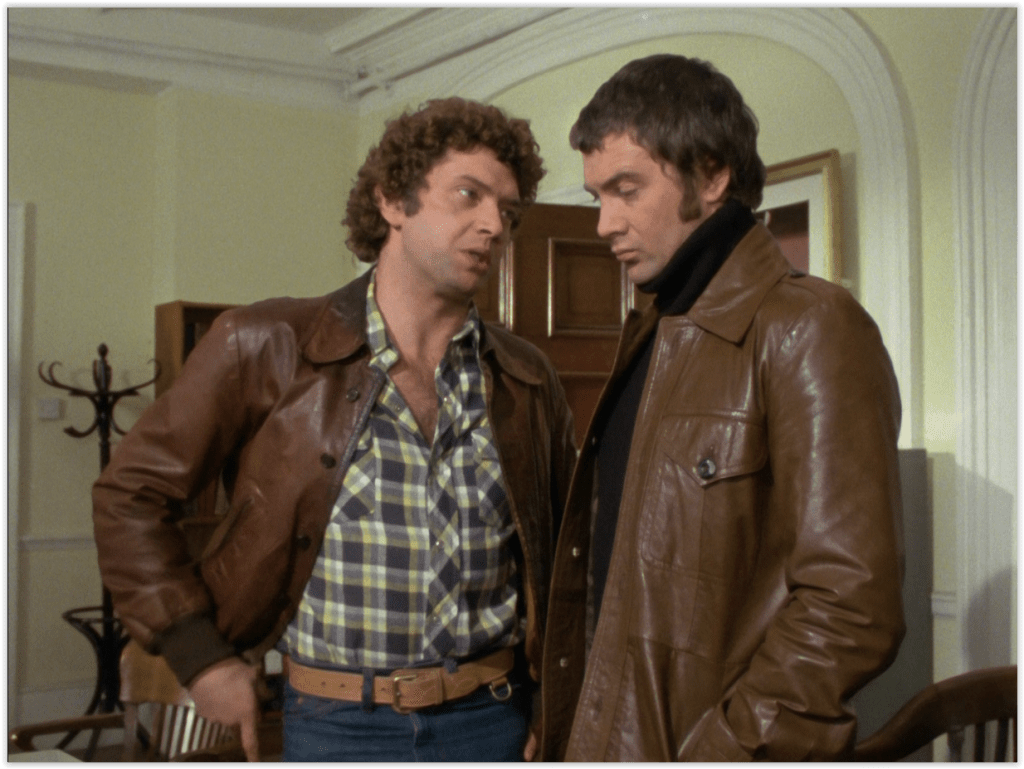
Later, of course, it’s back to the usual succession of casual jackets – the green fleece, the Irvin flying jacket, and a nice new brown leather bomber jacket all make appearances. Bodie, of course, switches to his beloved brown leather safari jacket, putting both the boys in brown leather for the first time.
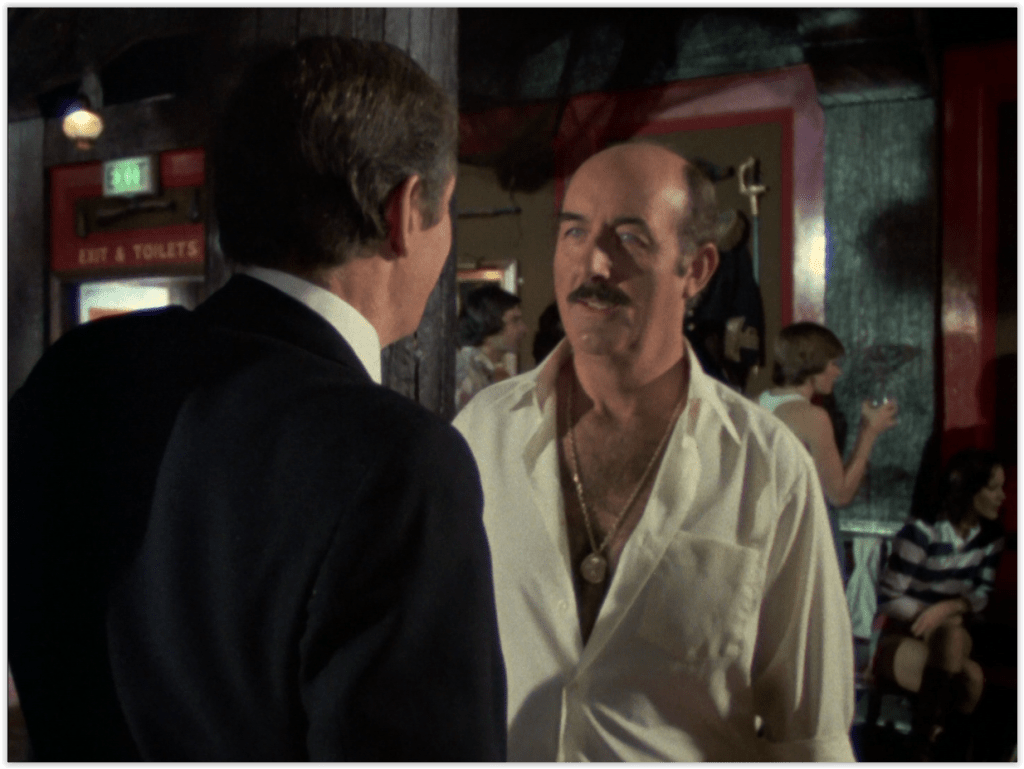
Haydon, when we first see him in the 1971 timeframe, is wearing that most macho of 70s looks – a shirt open nearly to the waist, displaying a hairy chest emblazoned with a big gold medallion. You almost expect him to be advertising aftershave.
1970s references
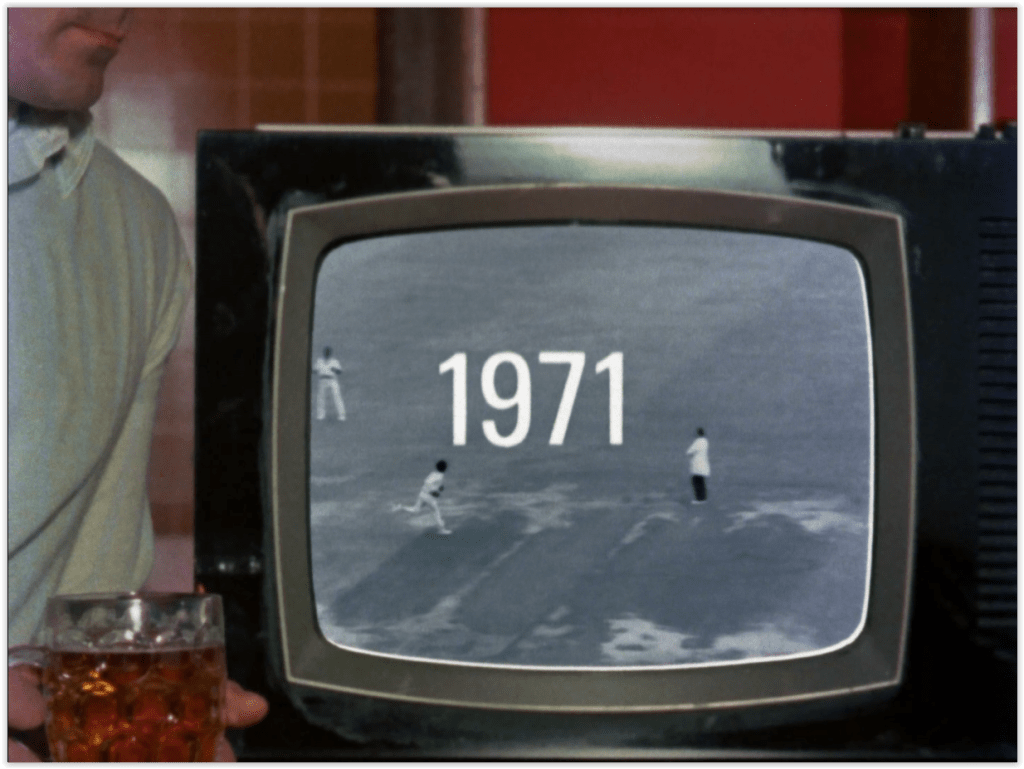
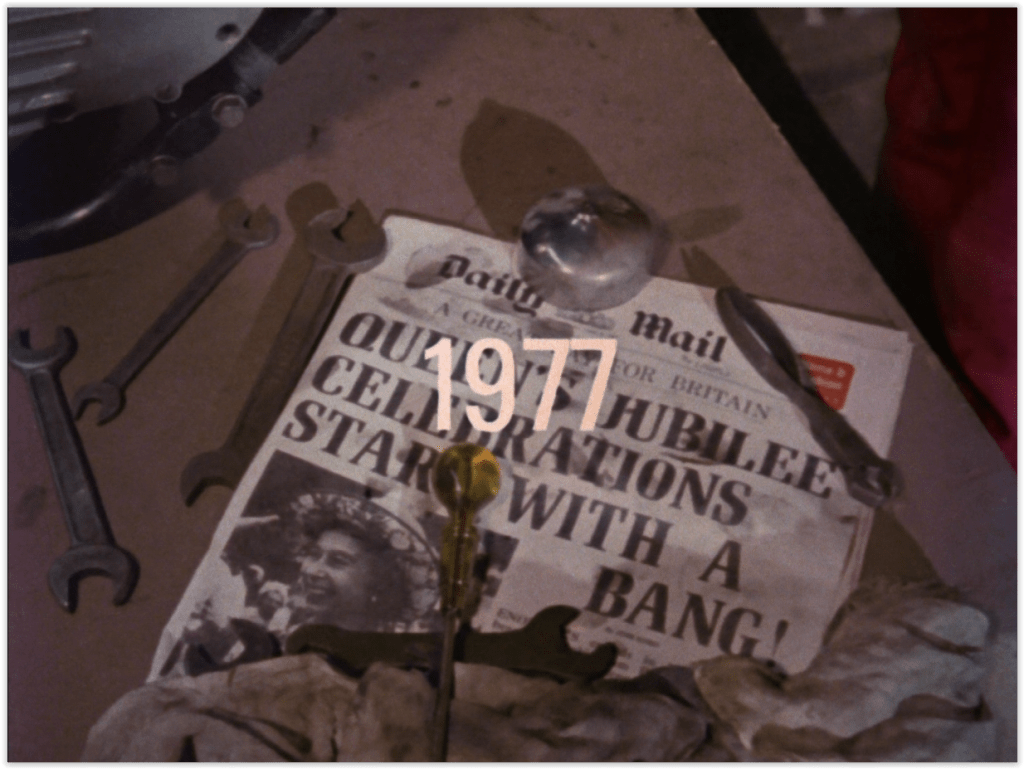
As referenced here, 1971 was a very hot summer, though it paled into insignificance compared to the well-remembered heatwave of 1976, one year before this episode was made. The 1971 heatwave broke in July, so the frequently quoted time since Haydon was arrested – “7 years, 5 months and 2 days ago” – can’t be correct, as that would place this episode in at least November of 1978, six months after it was broadcast. It also completely contradicts the onscreen caption saying that this is 1977.
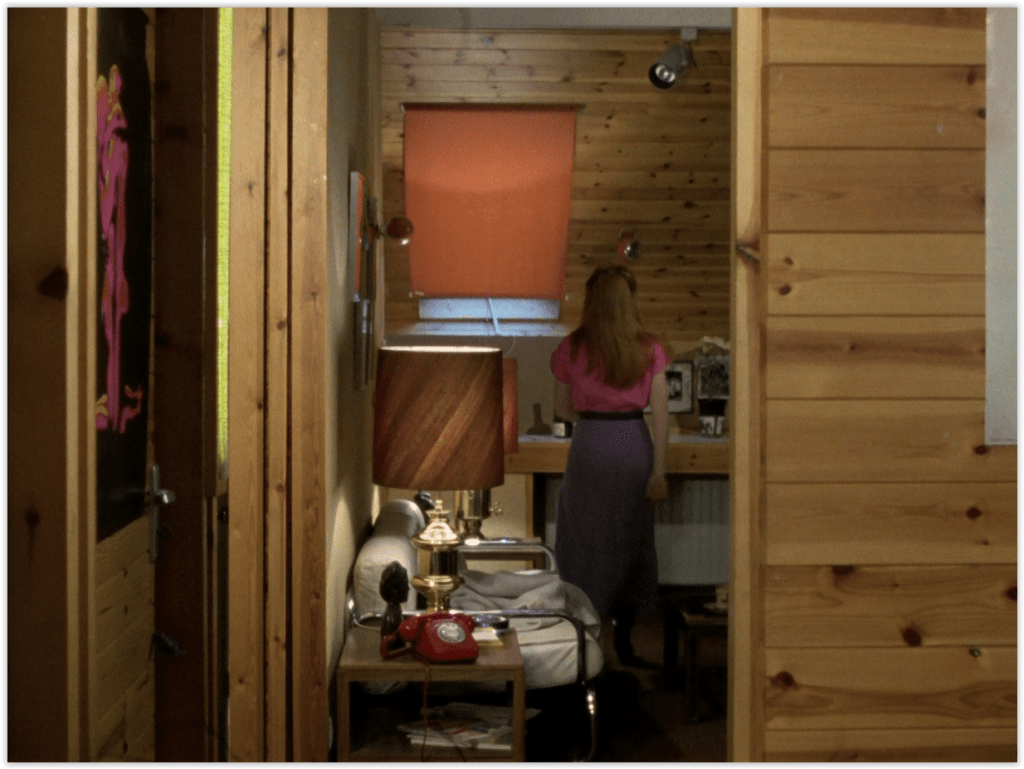
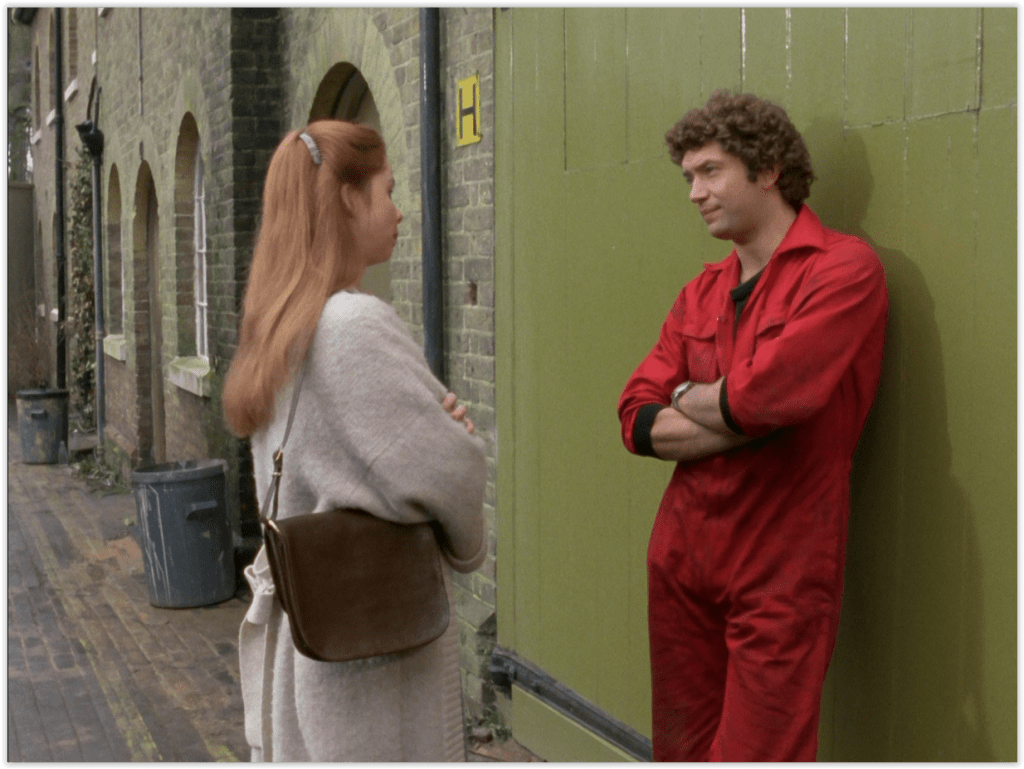
Doyle has moved to a new apartment from the one seen earlier, and it’s decorated in a very 70s style, with so many pine boards covering the walls it looks the interior of a sauna. If this apartment, and the mews it’s in with its green garage door, looks familiar, it should – it’s the same apartment where Doyle intimidated a prostitute way back in The Female Factor. Perhaps he liked it so much that he bought the place.
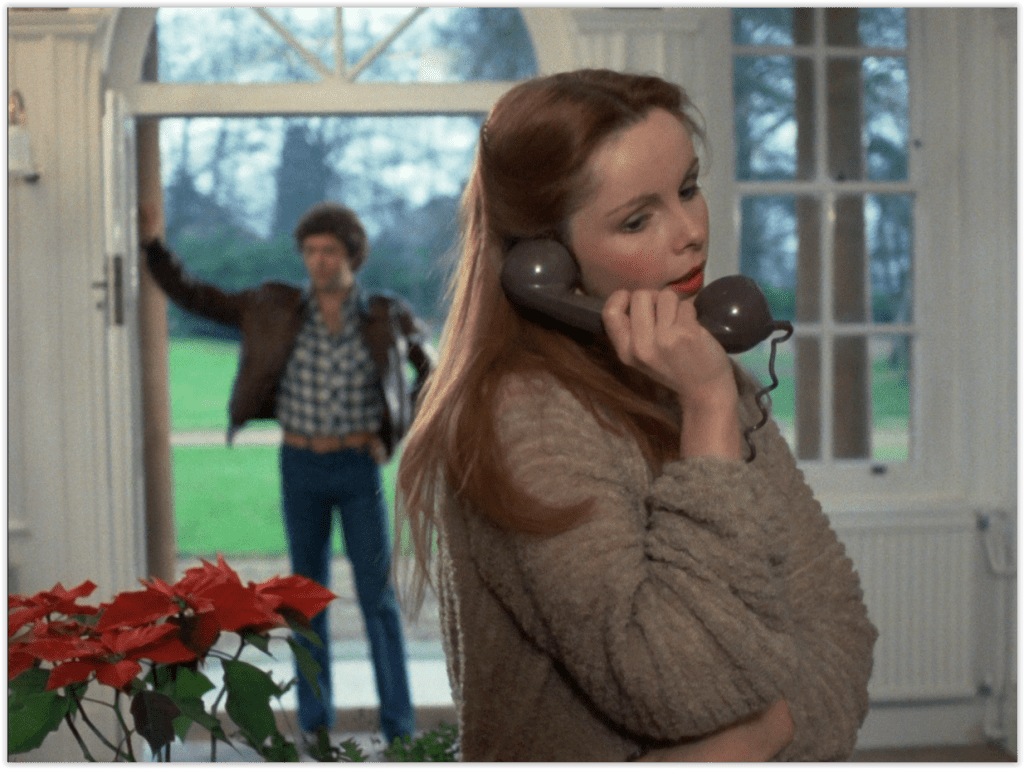
Also familiar is the big country house owned by Haydon, and somehow inherited by his daughter even though, as an imprisoned crime lord, surely his assets would have been seized. It’s the same house owned by Geoffrey Palmer’s crime lord in Where the Jungle Ends.
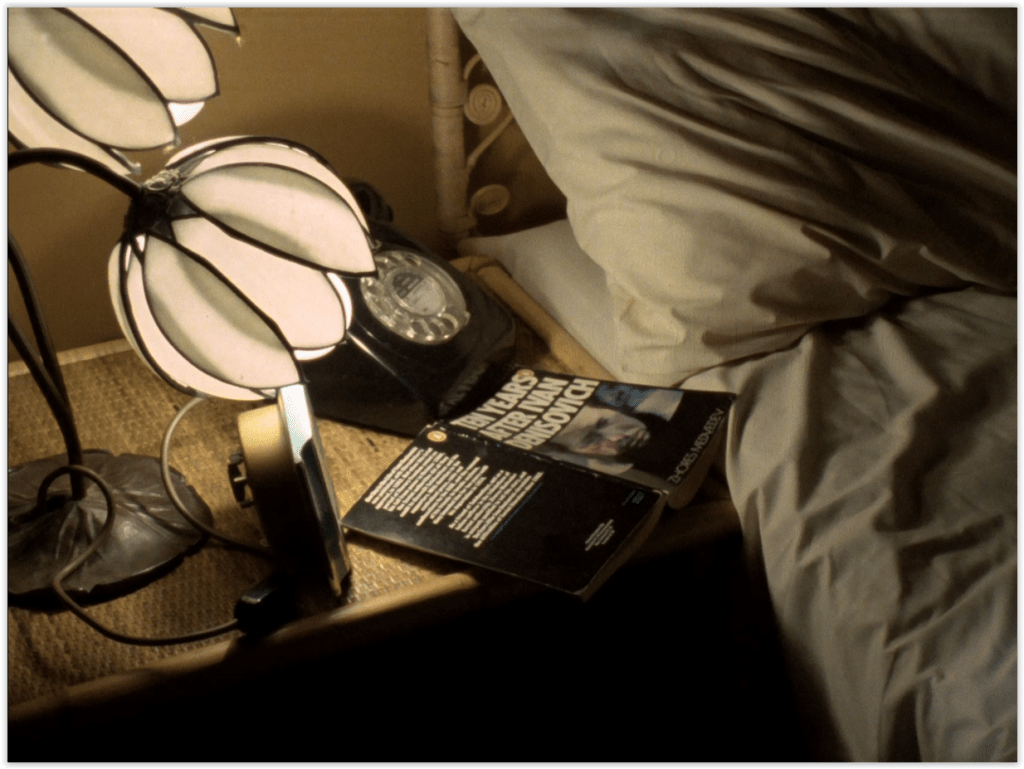
Doyle, being a bit of a lefty, is currently reading Ten Years After Ivan Denisovich, by Russian dissident Zhores Medvedev, which chronicles the time spent in a gulag by fellow dissident Aleksandr Solzhenitsyn.
Hey, it’s that guy from that thing!
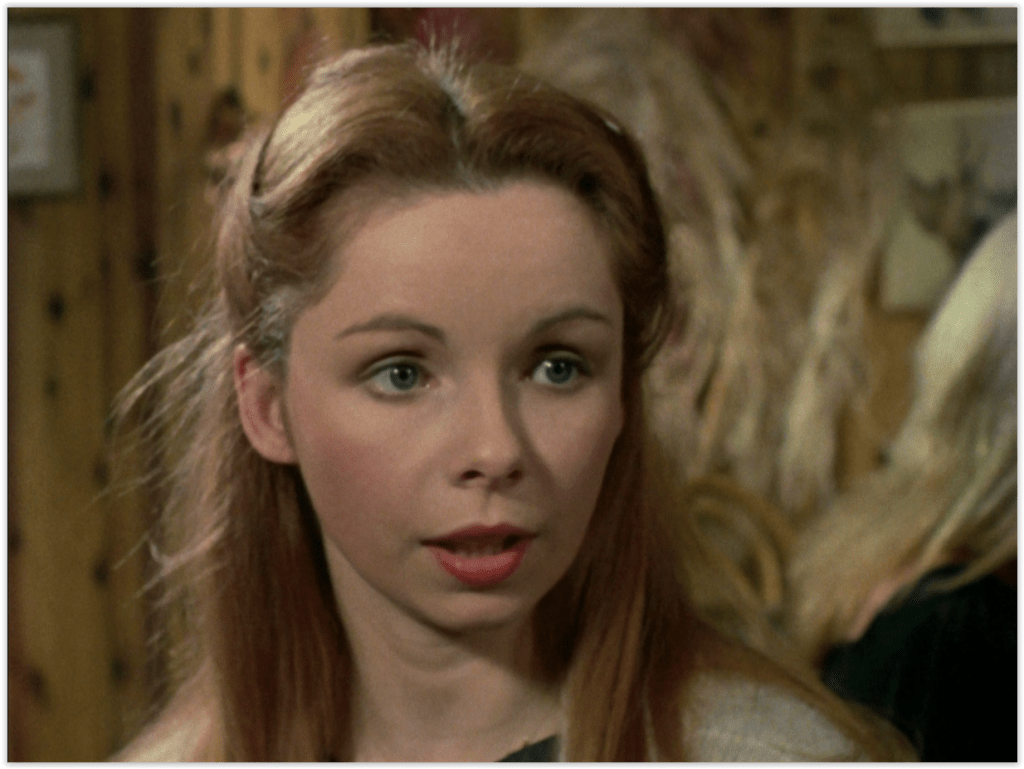
As I’m assuming most readers of this blog are Doctor Who fans, the principal guest star here needs no introduction. That is indeed Lalla Ward, also known as The Honourable Sarah Jill Ward, playing the duplicitous Jill Haydon. Ward had done a number of small roles in TV and film before this, but she really hit the big time a couple of years later when she was cast as the second incarnation of the Doctor’s Time Lady companion Romana, a role she played from 1979-1981.
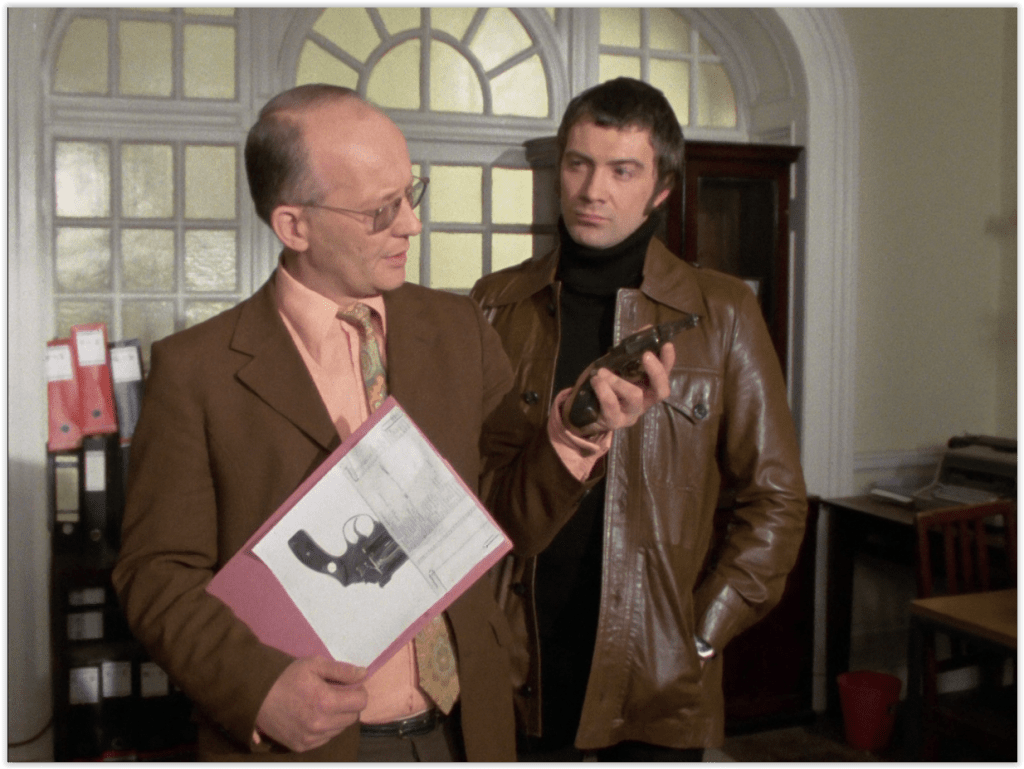
Other guest stars will also be familiar from the world of Who. That is of course Michael Sheard in a small role as ballistics expert Merton. Sheard, who played six major roles in Who from 1966 to 1989, was such a ubiquitous character actor that I’d been waiting for him to pop up here. Frequently cast as Adolf Hitler (notably in Indiana Jones and the Last Crusade), probably his most-remembered role was as tyrannical, toupee-wearing French teacher Mr Bronson in Grange Hill.
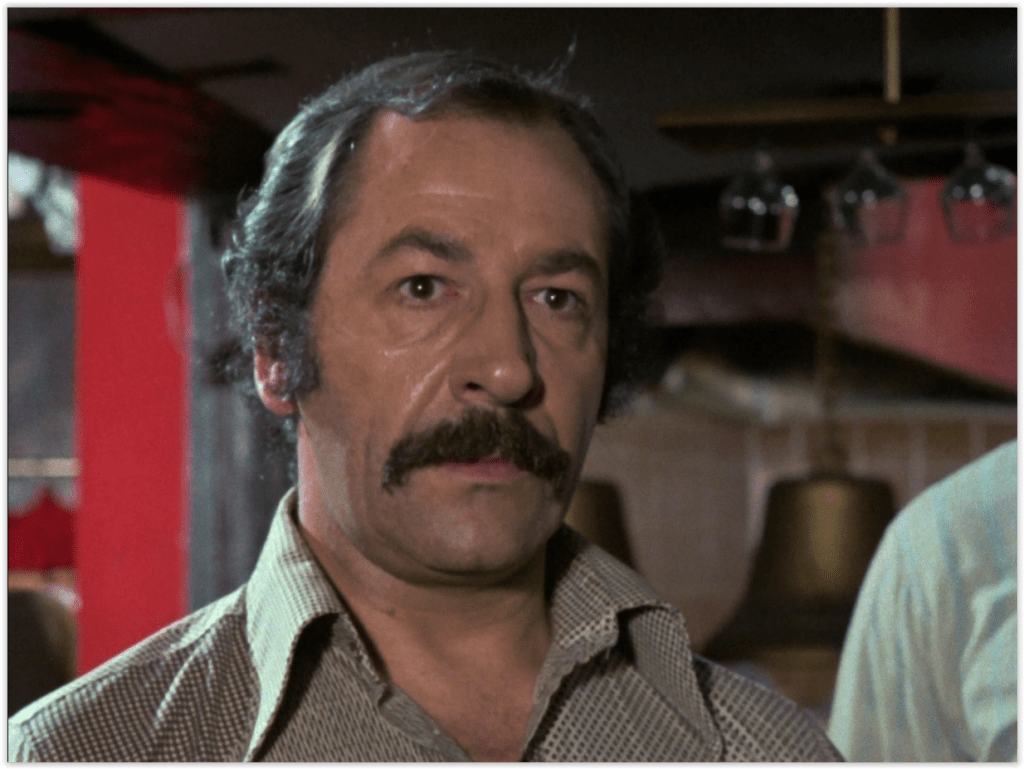
That’s Bernard Kay as annoyed pub owner Harry Cross. Kay, another very familiar face on 70s TV, did no fewer than four roles in Who from 1964 to 1971, most notably in brownface (but a very good performance) as Saladin in 1965’s The Crusade.
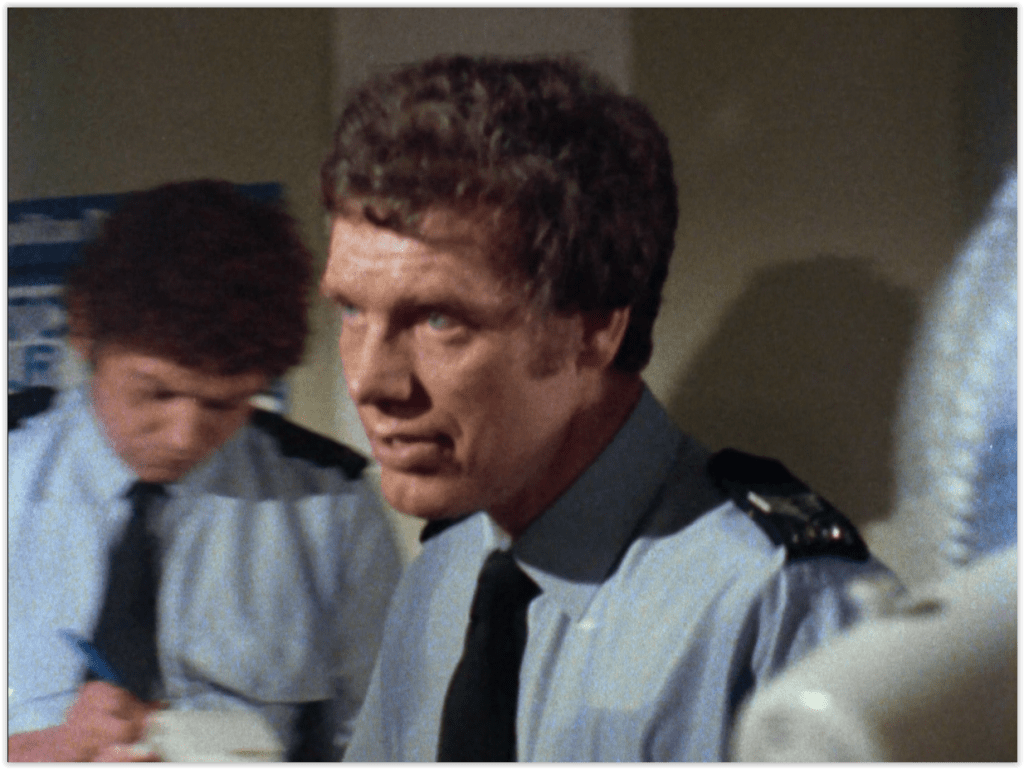
Popping up briefly as Doyle’s police Sergeant in 1971 is Geoffrey Hinsliff, who did two Doctor Who stories – 1977’s Image of the Fendahl and 1979’s Nightmare of Eden – but will be best remembered for his role as Don Brennan in Coronation Street from 1987 to 1997.
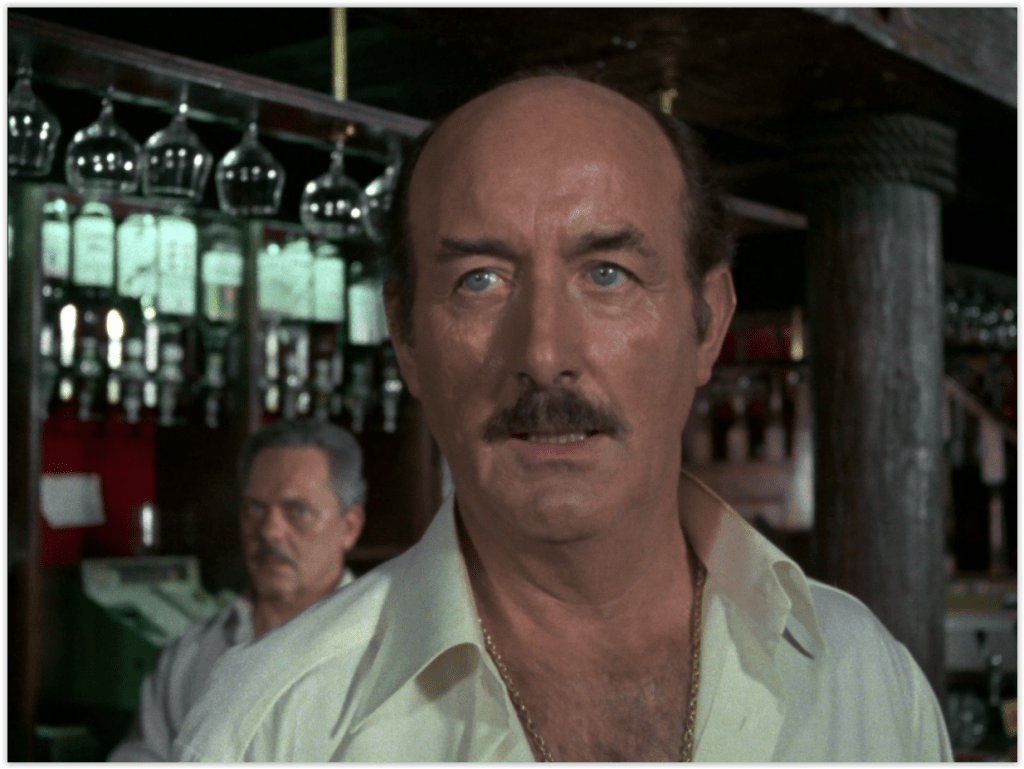
From outside the world of Doctor Who, that’s Peter Hughes as underworld kingpin Bill Haydon. Hughes was another prolific player mostly of bit parts, though he too played a fascist leader, as General Franco in Alan Parker’s 1996 adaptation of Evita.
Nice bit of dialogue
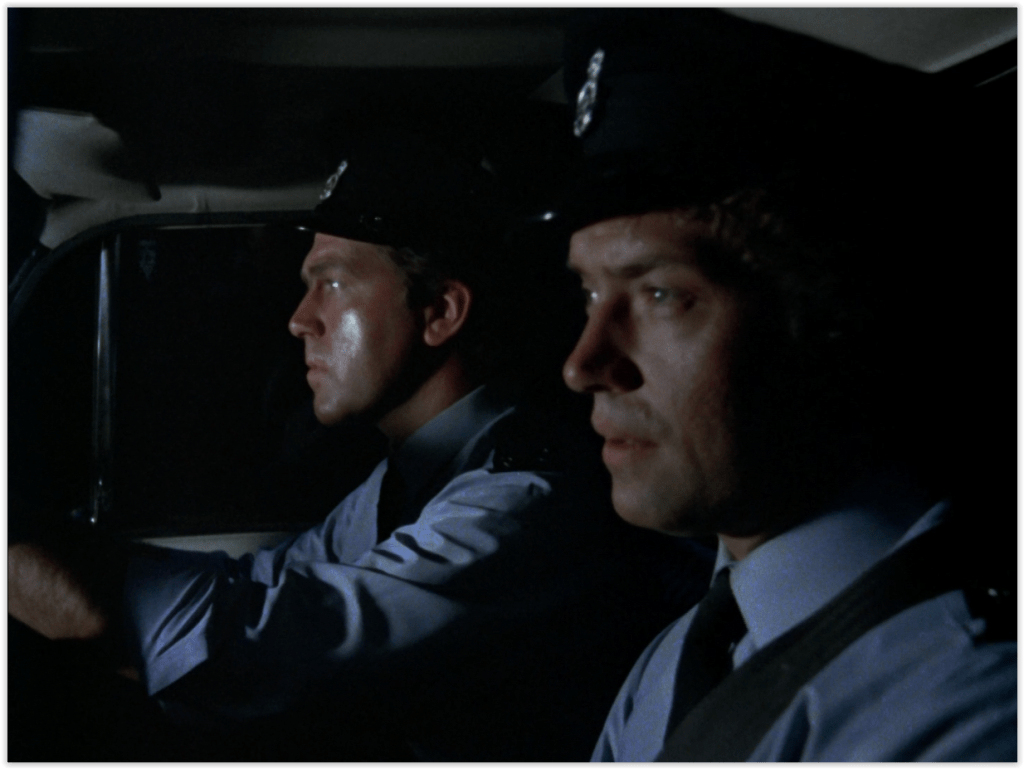
Doyle is chatting to his partner in their panda car in 1971:
Doyle: “Hey Syd? You hear about that new department being formed, CI5?”
Syd: “What’s that?”
Doyle, as much at a loss as the rest of us: “Oh… Criminal Intelligence… 5, or something. Sounds exciting. Different.”
Syd: “You’re still young enough, Ray. You ought to apply.”
Doyle: “Oh, you don’t apply, they find you.”
Syd, who seems to have already guessed what CI5 is for: “Right then, it’s a deal. If we run into an international gang of jewel thieves tonight, you can pull ‘em in.”
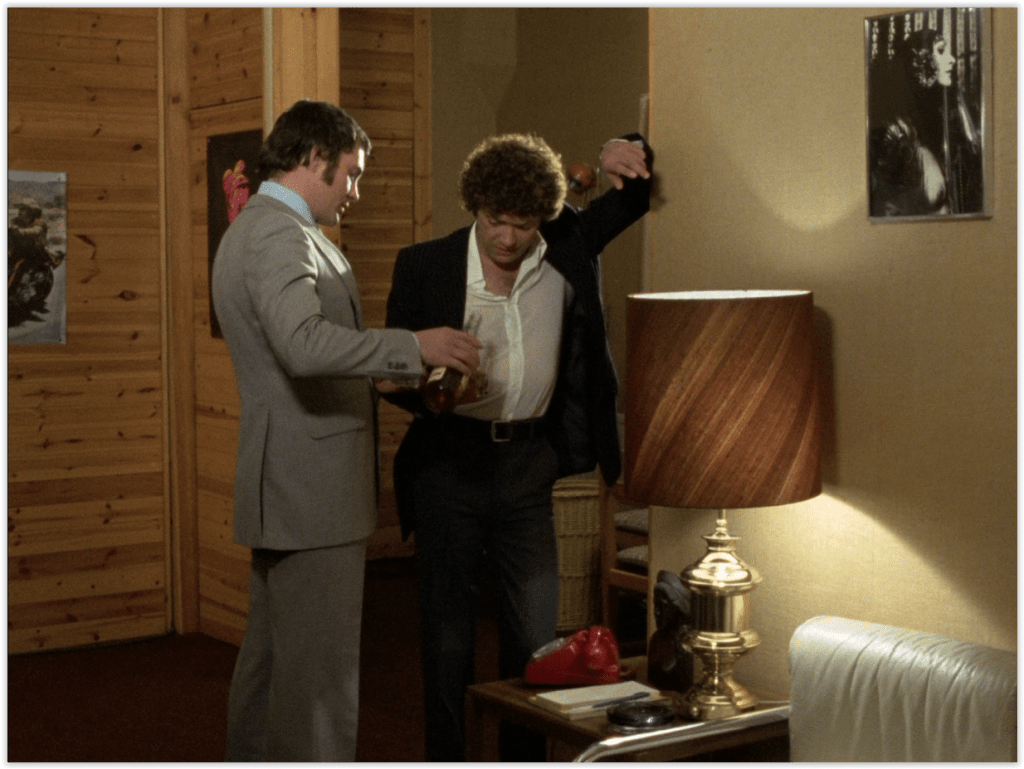
Bodie and Doyle are discussing Jill’s untimely intervention in their double date, once again clarifying that the only people they really love are each other.
Bodie: “Look, I don’t know what this is about mate, but to hold a grudge –“
Doyle, bluntly: “He killed my partner. Syd Parker. A good copper and a good friend. Bill Haydon stuck a bullet right through the middle of him. Now tell me, Bodie, how would you feel about that?”
Bodie, giving his partner a long, meaningful look: “I dunno.”
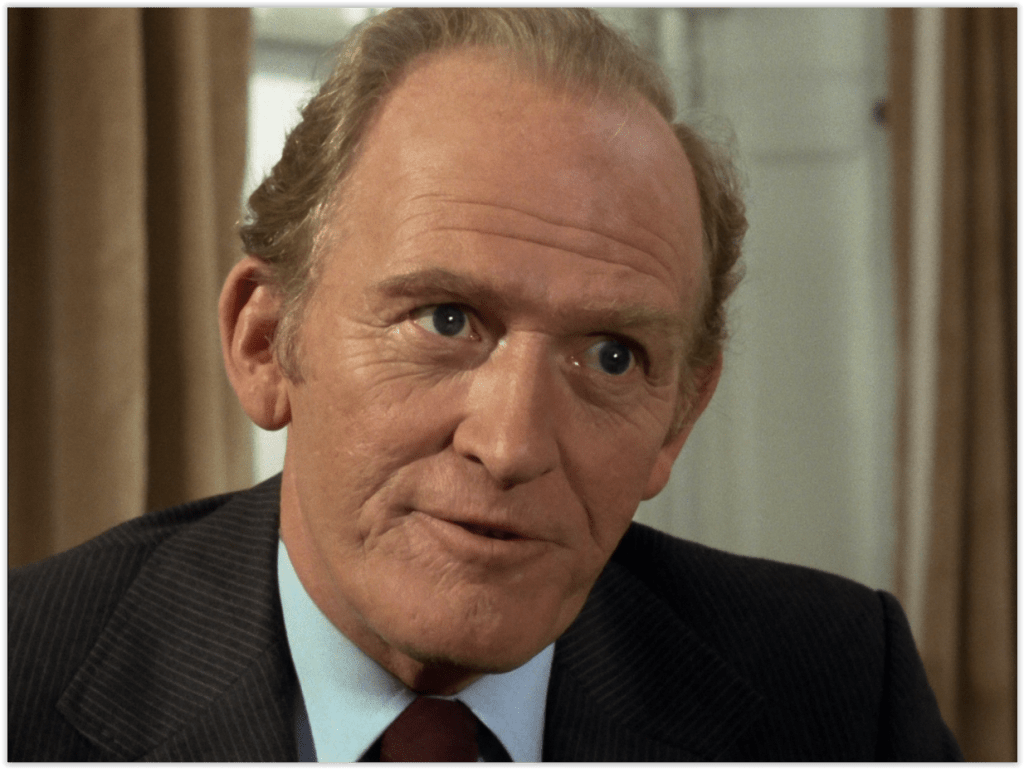
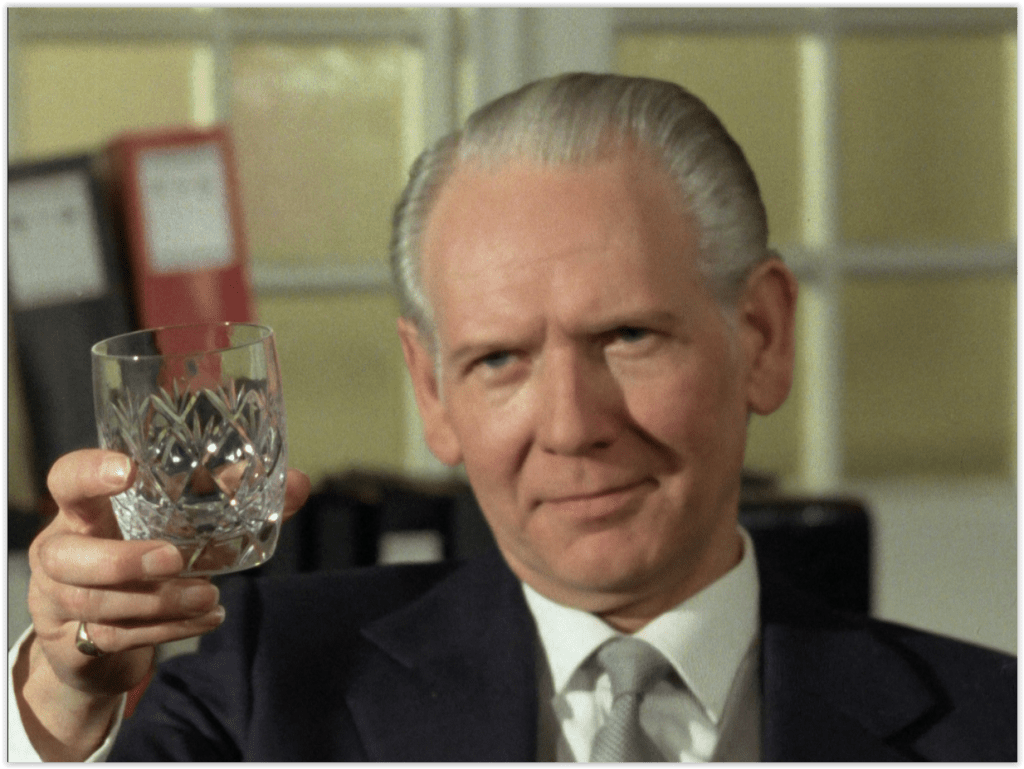
Cowley is justifying his, let’s face it, pretty unjustifiable involvement in the case to the Minister.
Minister: “You have two days. George. I’ll keep them off your back for two days. After that… well, there’ll be questions asked.”
Cowley: “This is a question of justice. Justice is within CI5’s brief. It should be everyone’s concern – even Ministers of the Crown.”
The Minister, conceding defeat: “You used to regularly beat me at tennis too.”
Casual Sexism
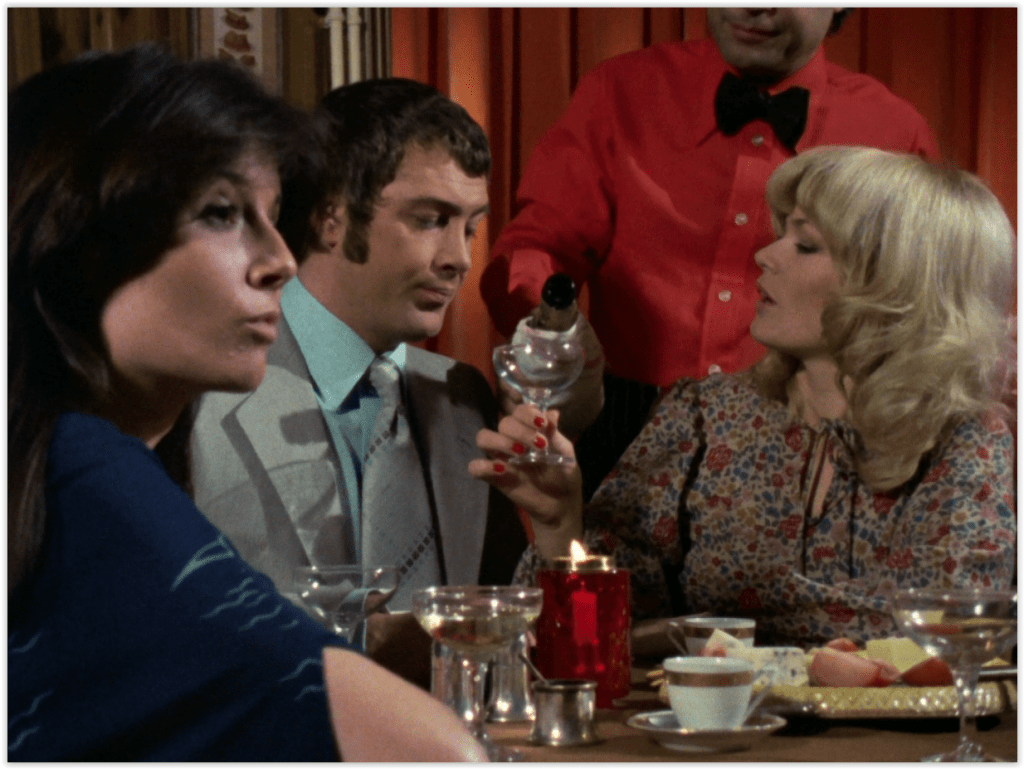
Actually pretty much none this week – the boys are perfect gentlemen with the (non-speaking extra) girls they take to that restaurant. And the only other major female character is the dubious Jill, who Doyle does seem to properly fall for, though Bodie has enough sense to keep his libido in check there.
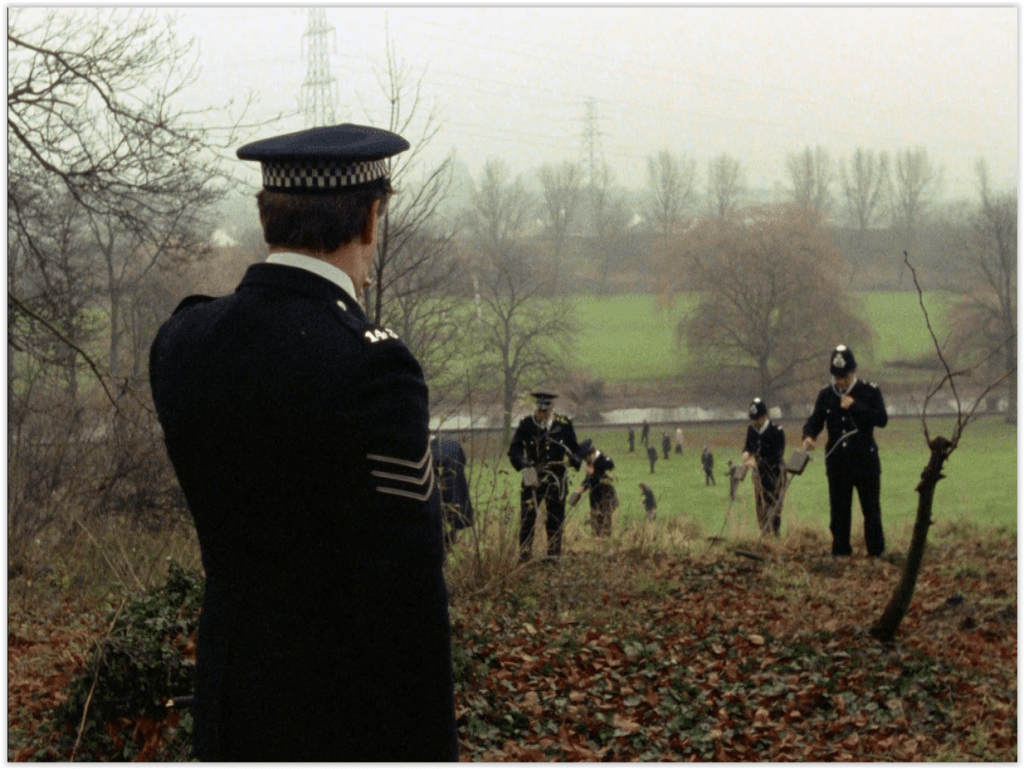
When the Heat Cools Off is an intriguing take on the continuing idea that Bodie and Doyle are pretty flawed heroes, with its implication that Doyle could have put an innocent man away for life. It’s a twisty turny plot that cleverly keeps the viewer guessing as to what actually happened, with director Ray Austin keeping the real killer’s face out of shot in the flashback so we wonder whether Haydon is indeed innocent of murder.
The ultimate revelation that he isn’t, and that it was all a scheme just to secure his release, is a nice twist ending – in this kind of story, we’re conditioned to believe that the man protesting his innocence from a jail cell really is a victim of a miscarriage of justice. It does, however, depend on some pretty fantastical plot devices, like none of the subsequent owners of Haydon’s car noticing that the radio isn’t a radio but a concealed gun compartment. It could also make Doyle seem pretty gullible, as he’s so easily taken in by Jill’s subtle manipulations, but he doesn’t come off too badly as we, the viewers, have been taken in too.
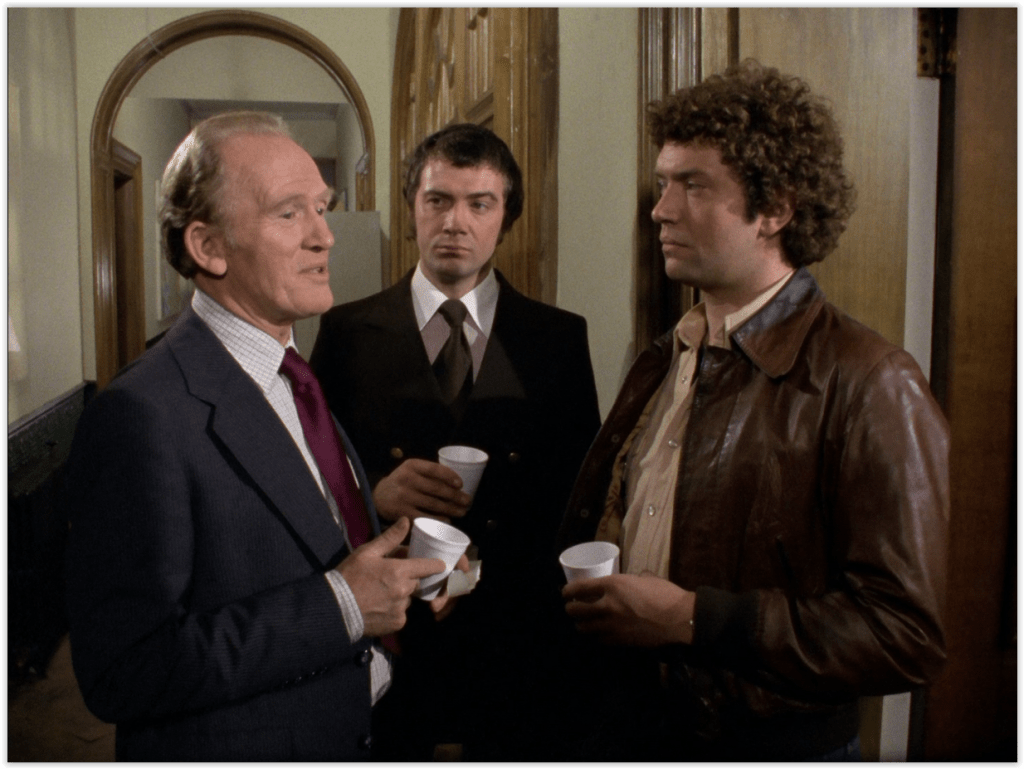
So that’s the end of “Series 1” of The Professionals, which is the last time all the episodes in a production block (well, except Klansmen) would be broadcast as a season of sorts. The second production block, also of thirteen episodes, only had ten broadcast in its next “season”, with three held over for the next year, so it gets trickier to consider them in that way. I’ll stick to reviewing them in production order, as presented on the Network blu rays.
This first season had a lot of work to do, establishing the series’ format and making it a viewing hit, and it’s to Brian Clemens’ credit that it works very well. The offscreen production difficulties don’t show in the final, polished production, and it’s a logical evolution from The New Avengers to this tougher, more ‘adult’ format.
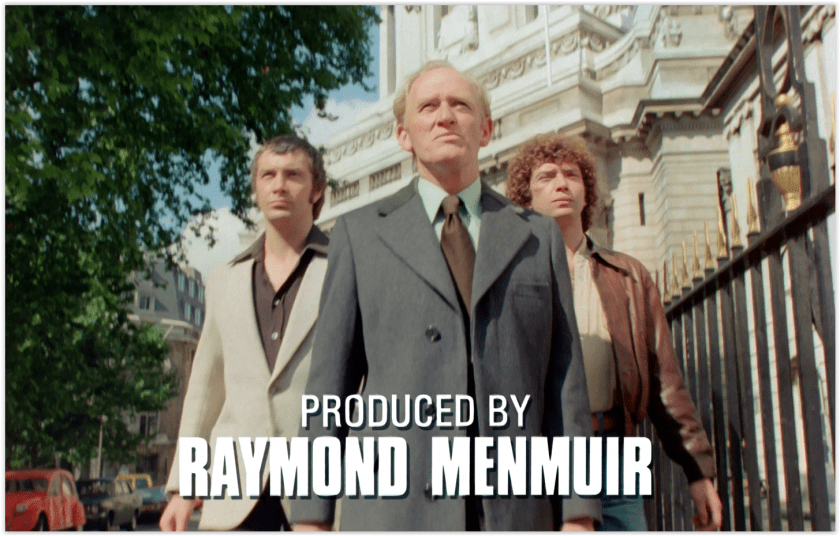
It’s still not quite fully formed as the series my generation remembers – the familiar, action-packed opening titles don’t appear till next season, and its natural home of the London streets is in short supply here, with most of the episodes taking place in the leafy, prosperous Home Counties. This would change with the next production block, which I’ll start looking at soon – though since I’m about to go back to work, blog entries may become a lot less frequent!

